Perspectives from our guest writers around the world.
Opinion
Startups overhyped marine carbon dioxide removal – it may never happen
BY
David Ho
Many overestimate how close we are to scaling up carbon removal deployment, says leading oceanographer David Ho.
Opinion
Investment treaties are undermining climate leadership
BY
Tom Wills
Outdated rules protect fossil fuel interests, and the UK and Netherlands appear hypocritical on the world stage, says Tom Wills.
Opinion
Energy accumulates: Ghana shows that the “energy transition” is more myth than fact
BY
Gökçe Günel
Industry insiders and academics are often wrong to presume renewables will replace fossil fuels, instead of both growing concurrently, says Gökçe Günel.
Opinion
Gone with the flow
BY
Ted Theisinger
Ted Theisinger wades into two big new contributions to ‘river thought’. From the late, great James C. Scott and Colorado’s Ellen Wohl.
Opinion
Carbon capture does not reduce emissions: these three case studies prove it
BY
Mark Z. Jacobson
Carbon capture causes more harm than good, and only serves to prolong fossil fuel industries, argues Professor Mark Z. Jacobson.
Opinion
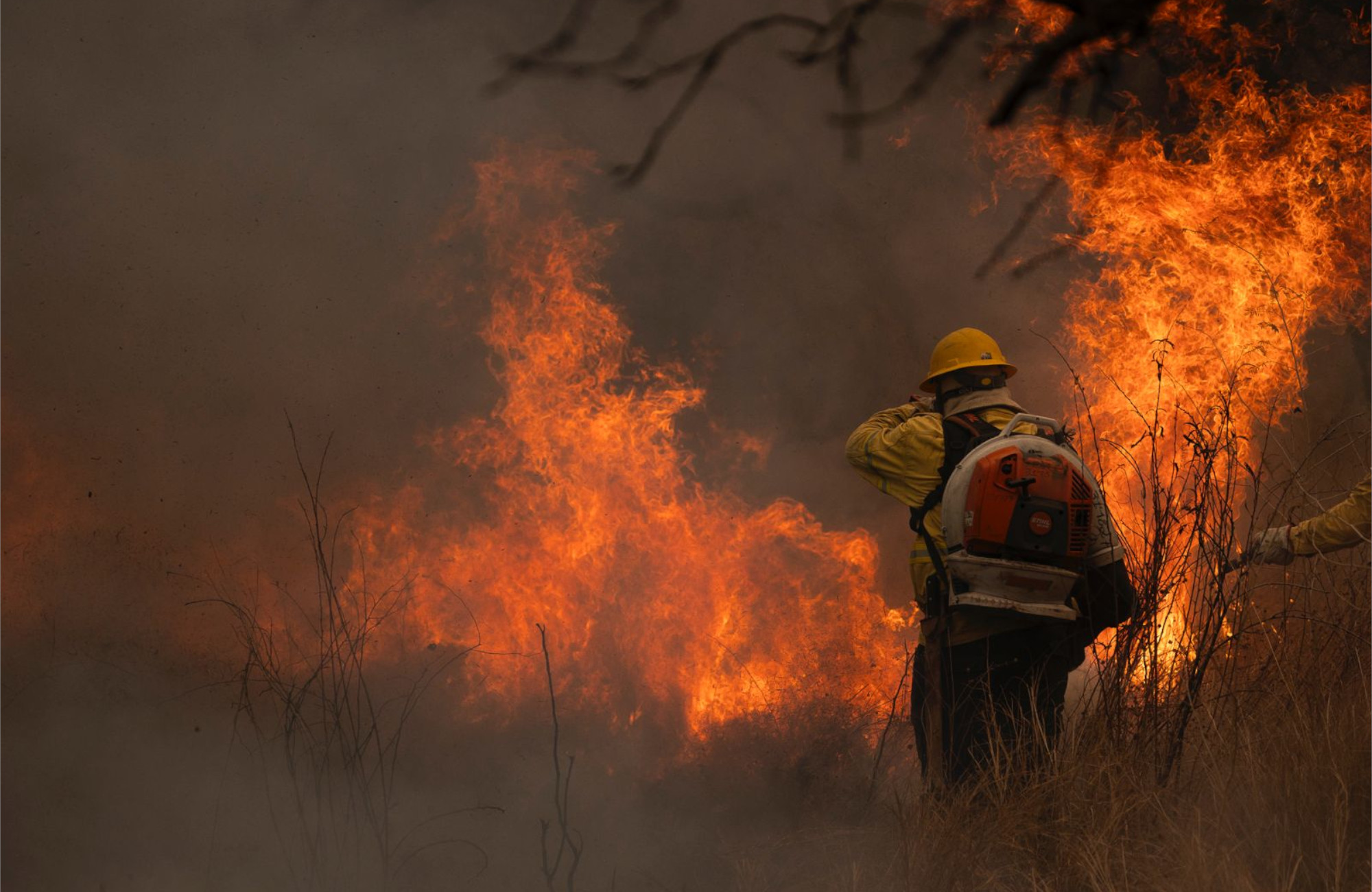
The world’s burning wetlands are ticking carbon bombs – but there are reasons to be hopeful
BY
Steve Trent
Agriculture is draining and burning the world’s largest carbon sinks – it is vital for nature and humanity that governments act on this year’s promises to protect wetlands, says Steve Trent.
Opinion
Nuclear fusion will change the world – but not in time for net zero
BY
Matthew Hole
Private companies are overpromising with fusion power – it is vital that public funding survives the inevitable bankruptcies that follow, says Professor Matthew Hole.
Opinion
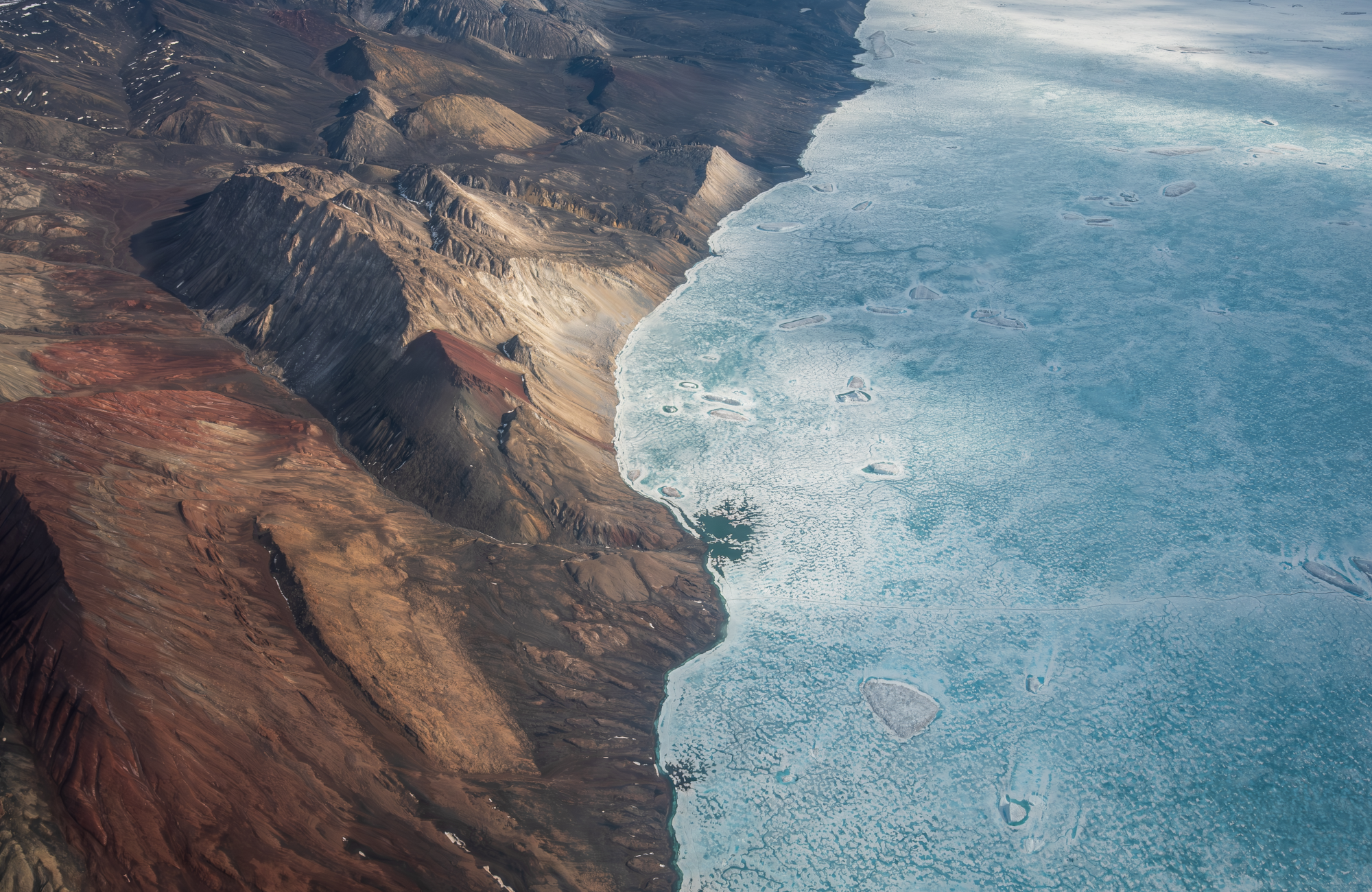
The cryosphere is nearing irreversible tipping points – and the world is not prepared
BY
Letizia Tedesco, Josephine Z. Rapp and Petra Heil
Time is rapidly running out to prevent catastrophic climate impacts to the Earth’s polar ice sheets, glaciers and permafrost - decision-makers at COP30 must act now, say leading polar scientists.
Opinion
I helped convict my mother’s killers, but I know courts will not bring justice
BY
Bertha Zúñiga Cáceres
Female, Indigenous, and environmental activists are ruthlessly targeted in Honduras, warns Bertha Zúñiga Cáceres.
Opinion
How will capitalism react to climate collapse?
BY
Wim Carton and Andreas Malm
Abject failure to treat the causes of climate change, rather than the symptoms, has made solar geoengineering all but inevitable, say Wim Carton and Andreas Malm.
Opinion
Climate diplomacy must shift focus from markets to land rights
BY
Frederike Klümper and Joanna Trimble
Land tenure is key to climate goals, but carbon markets have had harrowing impacts on local communities. A new agenda on adaptation must succeed where decarbonisation has failed, say Frederike Klümper and Joanna Trimble.
Opinion
Effective climate policy targets economics, not emissions
BY
Jessica F. Green
Current Net Zero policies are unpopular and ineffective - it is time to dethrone fossil capital and forget emissions trading, says Jessica F. Green.
Opinion
Seeds of industrialisation: how the soul of the apple got lost
BY
Priyanka Kumar
An overreliance on pesticides and a disconnect from the land has dampened the mythology of America’s most iconic fruit, says Priyanka Kumar.
Opinion
Climate donors must address the gender funding gap
BY
Namnyak Sinandei Makko and Omaira Bolaños
Women are neglected by climate funding, despite their pivotal role in Indigenous land management and climate resilience, say Namnyak Sinandei Makko and Omaira Bolaños.
Opinion
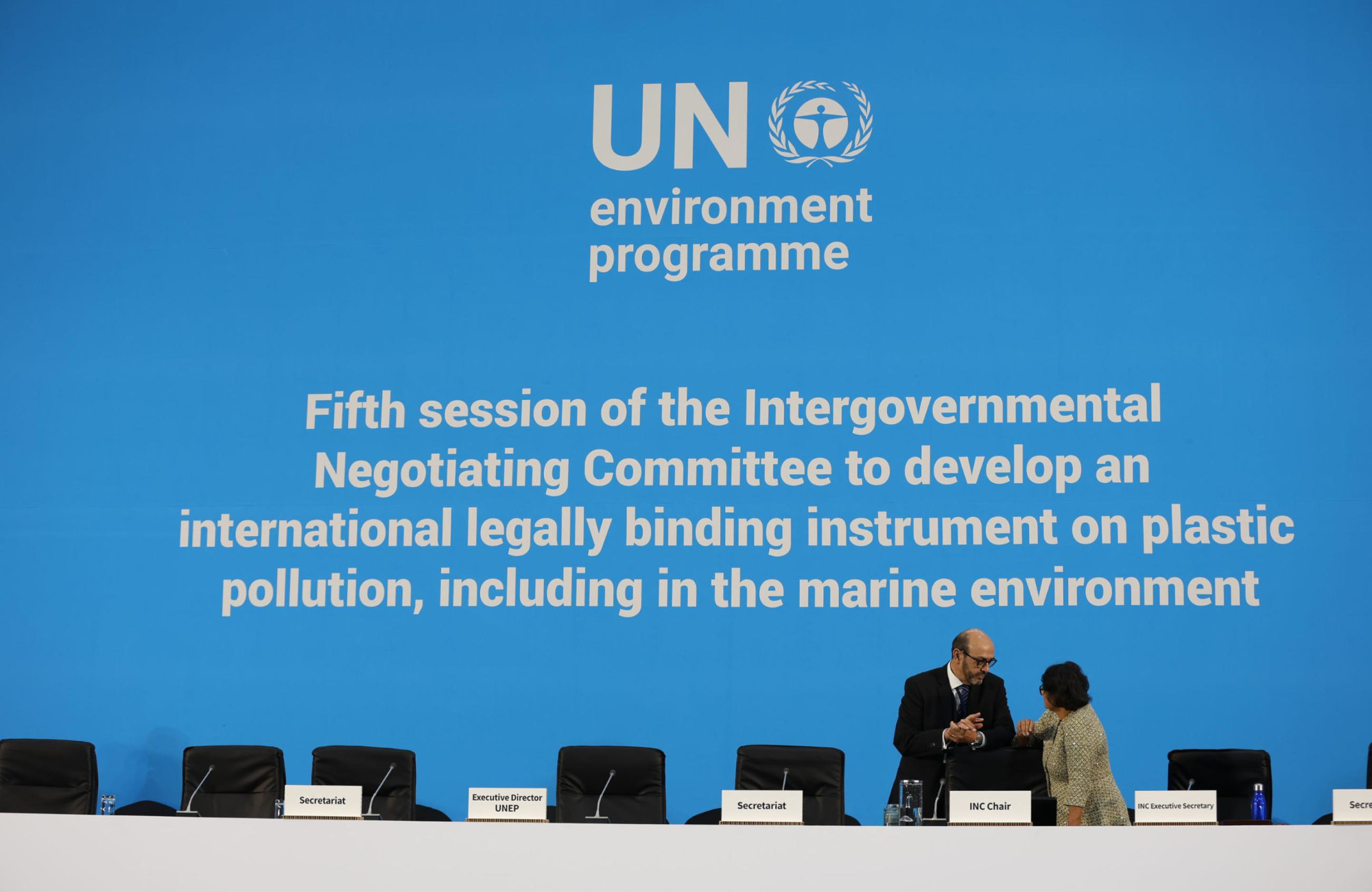
The Global Plastics Treaty must include production reduction
BY
Punyathorn Jeungsmarn
After three years of negotiations, delegates must not compromise on their principles at the UN's final session to decide international legally binding rules on plastic pollution, says Punyathorn Jeungsmarn.
Opinion
Trump will leave climate science in smoking ruins – and the economy will suffer for it
BY
John Holdren
Donald Trump is dismantling all sources of independent opinion in the United States to increase the power of the presidency, says John Holdren, former Presidential Science Advisor to Barack Obama.
Opinion
Crypto and AI exploit conflict zones and fossil fuels – with destructive consequences
BY
Hito Steyerl, Gago Gagoshidze and Miloš Trakilović
Cryptocurrencies and AI rely on political stability, refugee camp workers and electricity blackouts, says Hito Steyerl.
Opinion
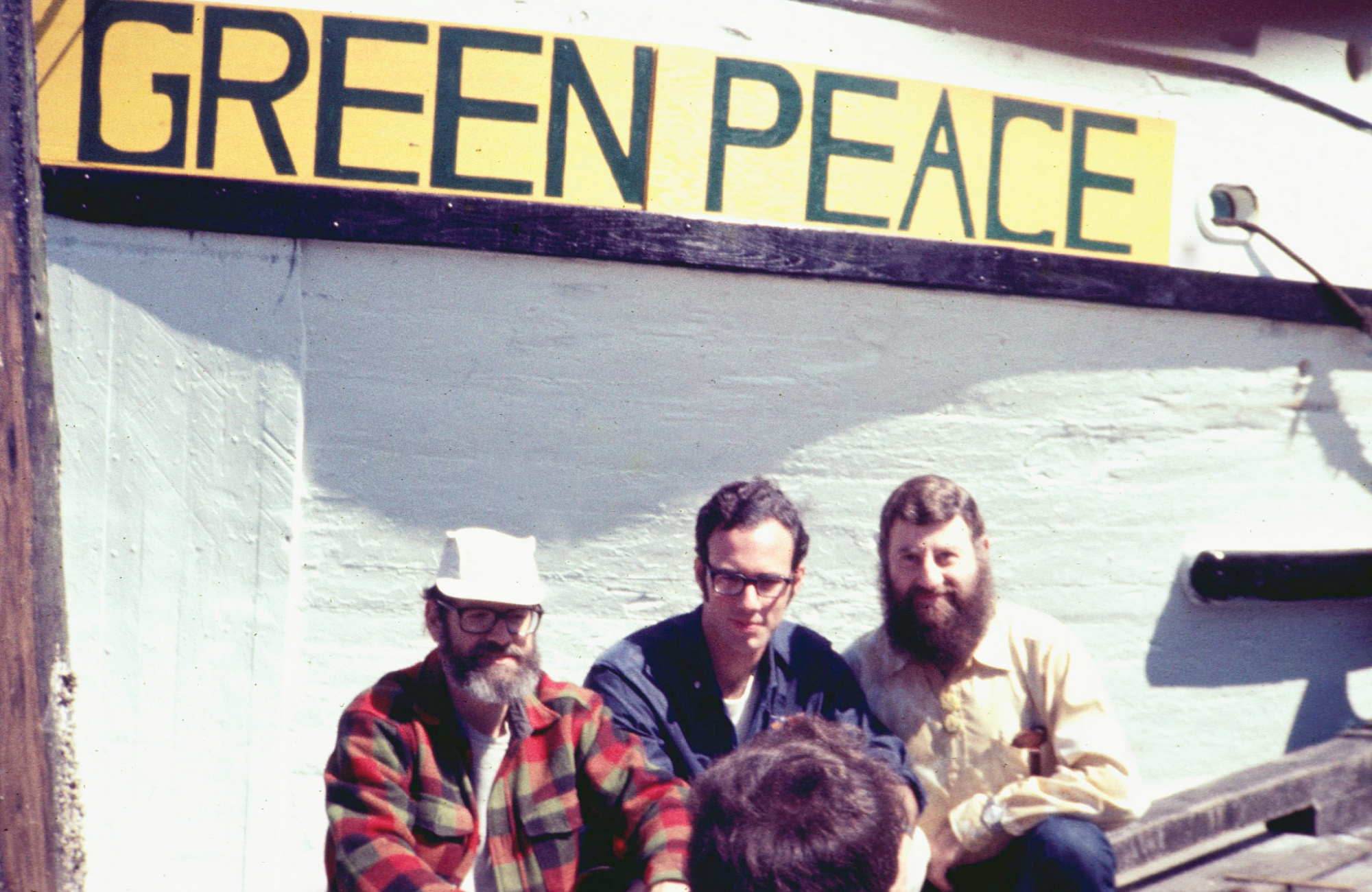
Remembering dreams of a green peace
BY
Kieran Mulvaney
The Bering Strait region has always been a hotbed of geopolitical tension - but its future is now more uncertain than ever, says Kieran Mulvaney.
Opinion
How a few giant companies came to dominate global food
BY
Jennifer Clapp
How do agricultural monopolies create higher food prices? Is market concentration at breaking point for seeds, agrichemicals and farm tech? Jennifer Clapp explains.
Opinion
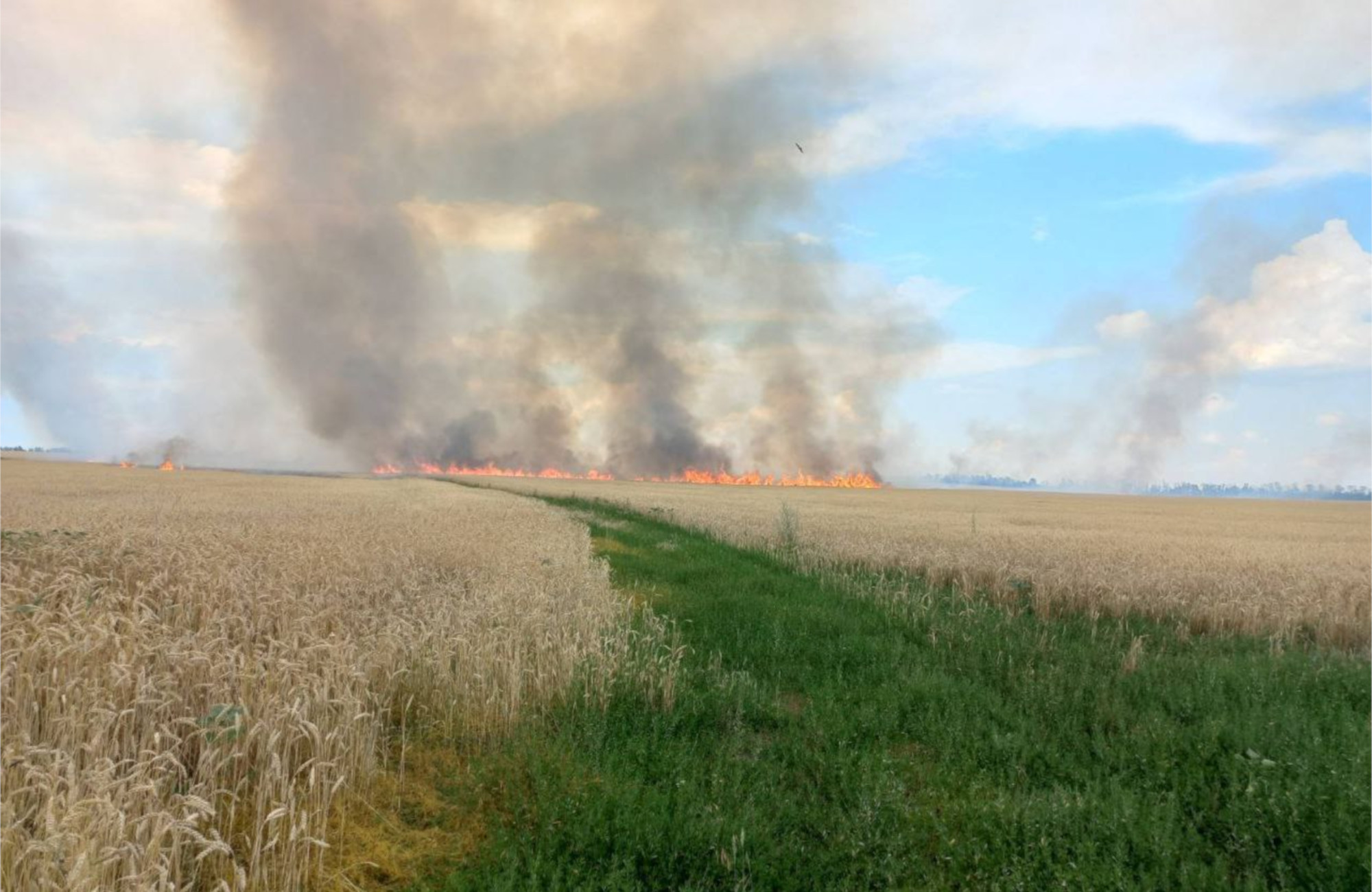
Ecocide in Ukraine, and the meanings of bread
BY
Darya Tysmbalyuk
Darya Tsymbaluk explores how Russia’s attacks on Ukraine’s land and agriculture also target the nation’s cultural identity.
Opinion
Big Tech’s green promises are hypocritical gestures
BY
Nick Dyer-Witheford and Alessandra Mularoni
Carbon offsets mean little while tech companies enable high-intensity consumption and fossil fuel investment, say Nick Dyer-Witheford and Alessandra Mularoni, in an excerpt from their new book.
Opinion
Après moi, le deluge: how a fight over garbage challenged China’s growth model
BY
Ma Tianjie
Ma Tianjie explores how public resistance challenged waste management policies in China as overconsumption pushed pollution to the margins.
Opinion
Mining boom in the Philippines threatens environmental defenders
BY
Hanna Hindström and Ana Celestial
Since 2010 the country has lost forest cover three times the size of New York City in mining zones for critical minerals, stripping away the country’s resilience to climate-related catastrophes, including typhoons and floods.
Opinion
Privatising space will make emissions soar
BY
D. Raghunandan
Space travel comes with atmospheric risks – and if corporations take over the world beyond our orbit, who will regulate extraterrestrial waste and mining?
Opinion
Courts must not depoliticise climate protest
BY
Oscar Berglund
The criminalisation and repression of protest serves as a substitute for taking adequate climate action, says Dr Berglund of University of Bristol.
Opinion
Notes from a disappearing island
BY
Anne Helen Toomey
A small US town will soon be submerged by rising sea levels, but its residents' views have been mocked and dismissed on national TV. In an extract from her new book, Anne Helen Toomey explores failings in climate communication.
Opinion
Destroying nature will aways be profitable
BY
Ståle Holgersen
In an extract from his new book, Ståle Holgersen questions the idea that climate change presents an economic threat, arguing that capitalism is flexible enough to make money from both destroying and saving the planet - all at the same time.
Opinion
Sugar cane is eroding Colombian biodiversity
BY
María Arango
Biofuels are the latest driver of plantation monocultures eroding biodiversity and Afro-Colombian culture in the Cauca Valley, says María Arango, following a new report.
Opinion
A Sri Lankan village was offered help from the UN’s Green Climate Fund – now they feel misled
BY
Nethmi Bathige
New research looked at an adaptation project funded by the World Bank & UNFCCC-run Green Climate Fund. Instead of helping farmers, it helped their corporate partners.
Opinion
The Cargill Playbook: how corn subsidies created America’s largest private company
BY
Austin Frerick
Austin Frerick describes how US farming policy created a grain monopoly, in an extract from his acclaimed 2024 book 'Barons: Money, Power, and the Corruption of America's Food Industry'.
Opinion
Europe must act urgently to protect its natural ecosystems
BY
Faustine Bas-Defossez
Biodiversity is under threat. The EU Nature Restoration law is crucial to protecting it, says Faustine Bas-Defossez.
Opinion
Climate crisis is exposing hard truths about commercial forestry
BY
Peter Wohlleben
Brutal management practices are making forest increasingly fragile and can no longer be ignored. State-organised forestry is slowly collapsing, says Peter Wohlleben.
Opinion
Is climate denial over? Not until behaviours change
BY
Tad DeLay
Society may recognise that climate change exists, but we are still dishonest about solutions. An economic reckoning is due, says Tad DeLay.
Opinion
Farmers’ protests are about more than green policies
BY
Thin Lei Win
Europe has lost 800 farmers a day since 2010 – the sector has real issues that need fixing. Backtracking on climate will only appease lobbyists, not protesters, says Thin Lei Win.
Opinion
Eni’s struggles in Africa show it’s time to move on from biofuels fantasies
BY
Agathe Bounfour
A new investigation by Transport and Environment has revealed widespread failings with the Italian oil giant's biofuels projects.
Opinion
Rejecting the EU’s due diligence law is a colossal mistake
BY
Steve Trent
Will this week mark the end for the EU's corporate responsibility bill? That would be a shameful legacy for Germany's FDP, says Environmental Justice Foundation CEO Steve Trent
Opinion
Without reform, the EU’s CBAM risks leaving developing countries behind
BY
Hugo Harvey
Not all countries stand to benefit from the EU's Carbon Border Adjustment Mechanism, says Hugo Harvey
Opinion
Renewable energy projects must do more to safeguard India’s natural ecosystems
BY
Sanjana Nair & Dr. Abi T. Vanak
Without adequate environmental impact assessments, new renewable energy projects risk damaging India's Open Natural Ecosystems say Sanjana Nair & Dr. Abi T. Vanak
Opinion
Forests of gold: carbon credits could be game-changing for Vietnam
BY
Quan-Hoang Vuong and Minh-Hoang Nguyen
Vietnam’s forests are at risk - carbon offset schemes could be the best chance of saving them, say Dr. Quan-Hoang Vuong and Minh-Hoang Nguyen
Opinion
Europe already has the tools it needs to end forced labour
BY
Steve Trent
The EU successfully regulated illegal fishing with a 'carding' system in 2010. It should take the same approach with the upcoming forced labour law, says the Environmental Justice Foundation's CEO.
Opinion
Greenhouse gas removals urgently need good governance
BY
Faustine Wheeler
Governments are not doing enough to shape and regulate this newly burgeoning industry. The UK should lead the way with a new regulatory body, says Green Alliance's Faustine Wheeler.
Opinion
Texas pollution shows the danger in legal loopholes
BY
Hannah Storey and Alysha Khambay
The human impact of petrochemical plants along the Houston Ship Channel prove that Amnesty's recommendations to the EU are vital, say the authors of a new report.
Opinion
Time for a World Climate Bank
BY
Thomas Marois
The World Bank prioritises private investors over justice and the climate - a new institution is needed, says Professor Thomas Marois
Opinion
Green extractivism mirrors the fossil fuel era, and the Global South suffers
BY
Leandro Vergara-Camus
The geopolitics of mining must change with decarbonisation, or less will improve than many realise, says Dr Leandro Vergara-Camus
Opinion
Is artisanal mining really worse than industrial mining?
BY
Sarah Katz-Lavigne
Artisanal mining has been demonised by big industry, and oversimplified in the press - in reality miners, large corporations, and government are all intertwined in the DRC, says Dr. Sarah Katz-Lavigne in an interview with Lauren Sneade.
Opinion
Car manufacturers must not repeat solar’s mistakes with China
BY
Kendyl Salcito
It is vital that electric vehicles do not become reliant on Uyghur forced labour, says Professor Kendyl Salcito
Opinion
Contradictions abound in the EU’s Critical Raw Materials Act
BY
Edward Robinson
Europe's demand for lithium is set to soar to 60 times current levels, with cobalt and graphite 15 times higher. But how will proposals for new EU mining and refining interact with the EU's role as a champion of biodiversity and development?
Opinion
Why “Ecosystem Maintenance Energy” matters for a world powered by renewables
BY
Patrick Moriarty
We must not ignore a hugely important metric to help us solve the ‘twin crisis’ of biodiversity loss and climate change, says Professor Patrick Moriarty
Opinion
Experts agree – deep sea mining is not worth the risk
BY
Jessica Battle
Deep sea mining could trigger a multitude of environmental, climatic, and social justice issues - there are better means of sourcing minerals, says Jessica Battle, who leads WWF’s 'No Deep Seabed Mining Initiative'.
Opinion
The EU’s due diligence law must protect farmers in the Global South
BY
Catarina Vieira
Ahead of a key vote in European Parliament on 1st June, Solidaridad's Catarina Vieira warns that the law risks cutting smallholder farmers out of European supply chains, forcing them into even less regulated markets.
Opinion
Electric vehicles are driving deforestation in Indonesia. But they don’t have to.
BY
Amanda Hurowitz
Nickel mining must follow the reforms to the palm oil industry, not repeat its mistakes, says Mighty Earth's Amanda Hurowitz.
Opinion
Electric cars are drying up the desert
BY
Meabh Byrne
Indigenous communities in the Atacama Desert are paying the price for lithium extraction for electric vehicles, says Meabh Byrne
Opinion
Carbon removal must not overshadow decarbonisation efforts
BY
Robert Watson
Overreliance on nascent technology is not something to be excited about, says former IPCC Chair Sir Robert Watson
Opinion
Can engineered biochar solve India’s agricultural emissions?
BY
Manish Kumar
Biochar expert Professor Manish Kumar explains the potential benefits of pyrolised plants.
Opinion
Enhanced weathering will not work without EU research funds
BY
Amann Thorben
Too many uncertainties exist around enhanced weathering for it to be implemented, despite significant potential. The EU must be less frugal with R&D or the private sector will step in and transparency will suffer, says Amann Thorben.
Opinion
Climate models need reform – the social justice risks of BECCS and afforestation show why
BY
Pamela McElwee
Removal tech will need transparency, accountability, and legitimacy to minimise impacts on local populations, says Pam McElwee
Opinion
An IMF bailout will not help Sri Lanka. Debt-for-climate swaps would.
BY
Avishka Sendanayake
Debt-for-climate swaps are an effective mechanism to relieve poverty and help wealthy countries meet their climate finance obligations, says Avishka Sendanayake.
Opinion
What is the financial cost of loss and damage from climate change?
BY
A. Karim Ahmed and Jeffrey D. Tamucci
Even conservative estimates show the climate crisis has cost poor countries more than half a trillion dollars already - it is past time to define and fund loss and damage, say A. Karim Ahmed and Jeffrey D. Tamucci
Opinion
Food aid is not helping Africa’s struggle with climate change: what would?
BY
Go Shimada
Increased droughts, floods, and storms due to climate change are eroding African food security. New research shows that agricultural and cereal aid are not helping.
Opinion
Build Beyond Zero
BY
Bruce King
Could we go beyond removing CO2 from the atmosphere and actually use it in the building blocks of the future?
Opinion
Why we need a Global Climate Reparations Fund
BY
A. Karim Ahmed
Loss and damage from climate change has already cost hundreds of billions of dollars. Professors A. Karim Ahmed and Audrey Chapman propose a mechanism to address the moral and financial debt owed by highly industrialised nations.
Opinion
We need artists for climate communication – so let’s start paying them
BY
Ian McLachlan
Artists have a key role to play in communicating the climate crisis to the public, as they are communications specialists, says Ian McLachlan, co-organiser of Earthsong at COP26.
Opinion
The Green Equity Approach can help end coal finance, but it needs reform
BY
Kate Geary
The International Finance Corporation is trialling a new ‘green equity’ approach. Kate Geary from Recourse talks about why this is important, and what needs improving to phase out fossil fuel finance.
Opinion
To stop fossil fuel finance, The Equator Principles must change
BY
Hannah Greep
Following their new report, BankTrack's Hannah Greep discusses The Equator Principles' failure to mobilise climate finance or protect human and Indigenous rights.
Opinion
Western monopoly of climate science is creating an eco-deficit culture
BY
Quan-Hoang Vuong
A recent study showed that 78% of global climate science funding flows to European and North American institutions. Dr. Quan-Hoang Vuong gives his perspective on why this is a problem for the planet.
Opinion
Reforming farm subsidies can restore nature to the British countryside
BY
Sam Hall
The Director of the UK’s Conservative Environment Network sets out his vision for sustainable farming in the UK.
Opinion
It’s time to end subsidies for burning wood from forests
BY
Jean-Pascal van Ypersele
Trees are worth much more to humanity alive than dead, say 500 scientists in an open letter to leaders in the EU, US and East Asia
We believe in sharing information - but not yours.
Our funding comes from nonprofit foundations, not from selling your browsing data to companies. So we don't have a huge list of third parties for you to reject cookies from!
We only use necessary cookies for our website to function, and record aggregate data to keep track of our readership figures. We don’t store or share IP addresses visiting the front-end of our site.
If you sign up to our newsletter, we’ll safely store your contact details to use for that purpose, but otherwise, we only use necessary cookies for our website to function, and record aggregate data to keep track of our readership figures. We don’t store or share IP addresses visiting the front-end of our site.