Analysis & Investigations

Longform features by Land & Climate journalists and freelancers.

At least eight ISDS cases have been brought against the Ukrainian government since 2022, a Land and Climate investigation has found.
A new investigation by Land and Climate Review and The Sunday Times has uncovered an additional 6,000 breaches by the UK power company in Louisiana.
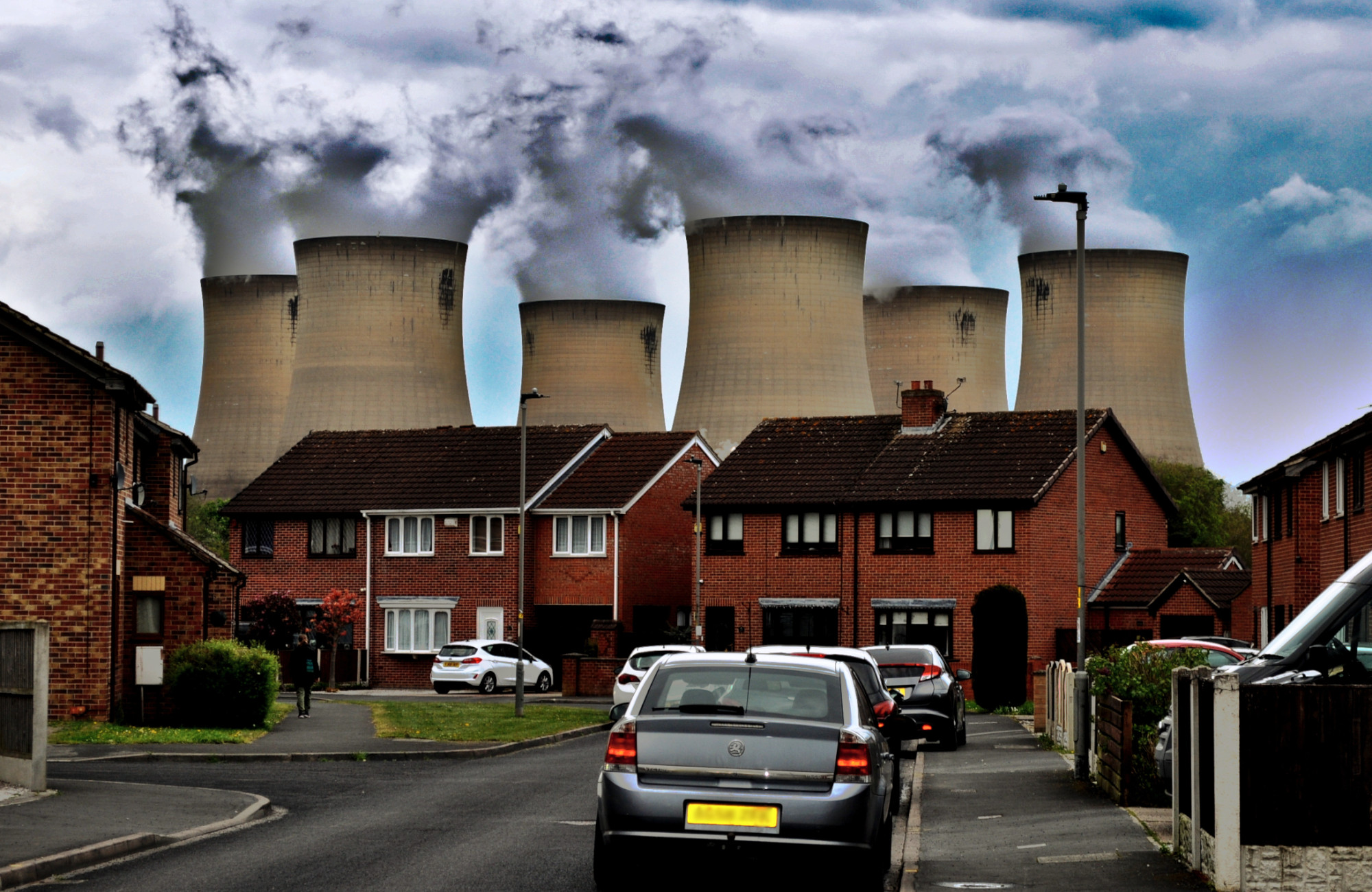
The UK's largest power plant is facing worker lawsuits after the national health and safety regulator dropped criminal charges over biomass dust in 2023, a Land and Climate Investigation can reveal.
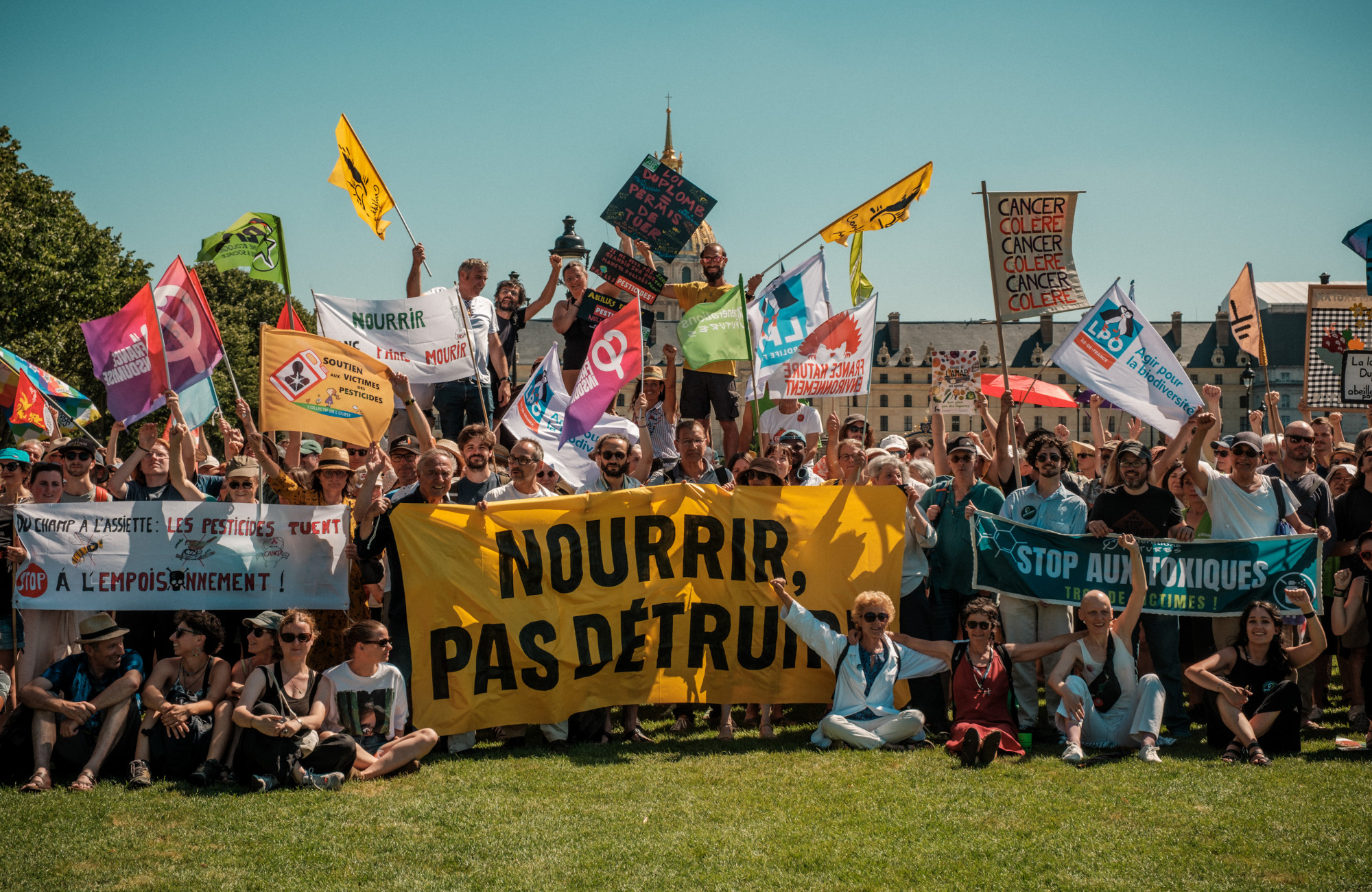
How a proposed farming law sparked one of the largest political mobilisations in modern French history.
In an excerpt from their new book, Dana Zartner, Fabian Cardenas, and Mohammed Golam Sarwar reflect on the most famous case of nature being granted legal personhood.
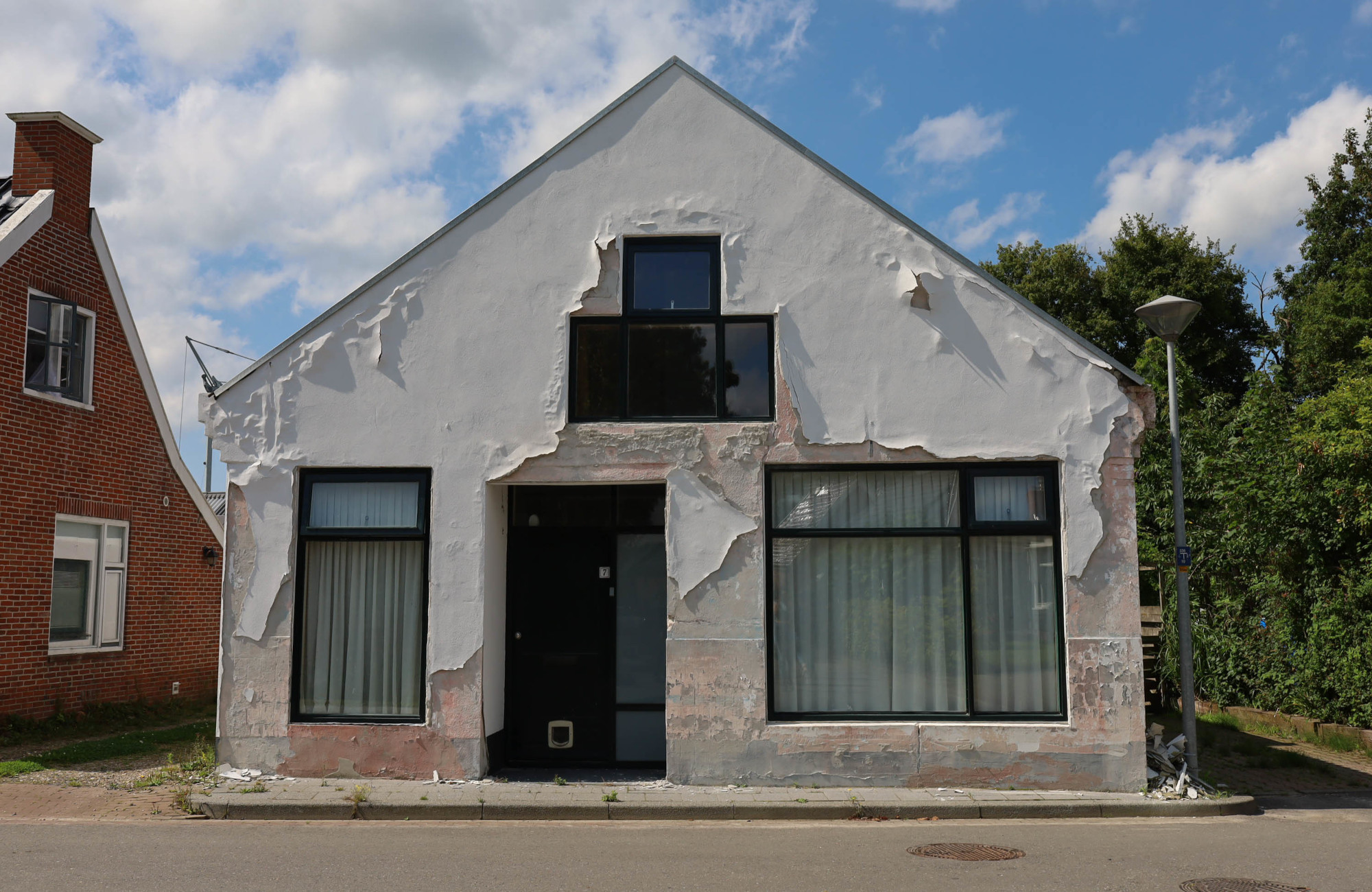
Exxon owes the people of Groningen millions in compensation for damage caused by gas extraction. Thanks to a legal instrument, it could be the residents of the province that end up compensating the fossil fuel giant.
Camille Corcoran talks to experts about investor-state dispute settlements, which allow fossil fuel companies to bring multi-billion dollar lawsuits against countries that pass green policies.
Drax “must be held accountable,” says US Senator for Maryland Chris Van Hollen, after The Times and Land and Climate Review reveal the bioenergy company violates US regulation an average of five times per day.
A new investigation by Land and Climate Review and The Intercept has found that Drax broke regulations while constructing a new pellet mill in Washington State.
This month, the British power company has been issued another fine in Mississippi, with additional penalties expected in Louisiana. In collaboration with The Intercept, Land and Climate Review talk to experts and locals about Drax's operations in the US Southeast.
Academic research offers a different story from news media on Sri Lanka's short-lived ban on agrochemicals. Bertie Harrison-Broninski explores what really happened, and whether there's a future for national-scale organic policy.
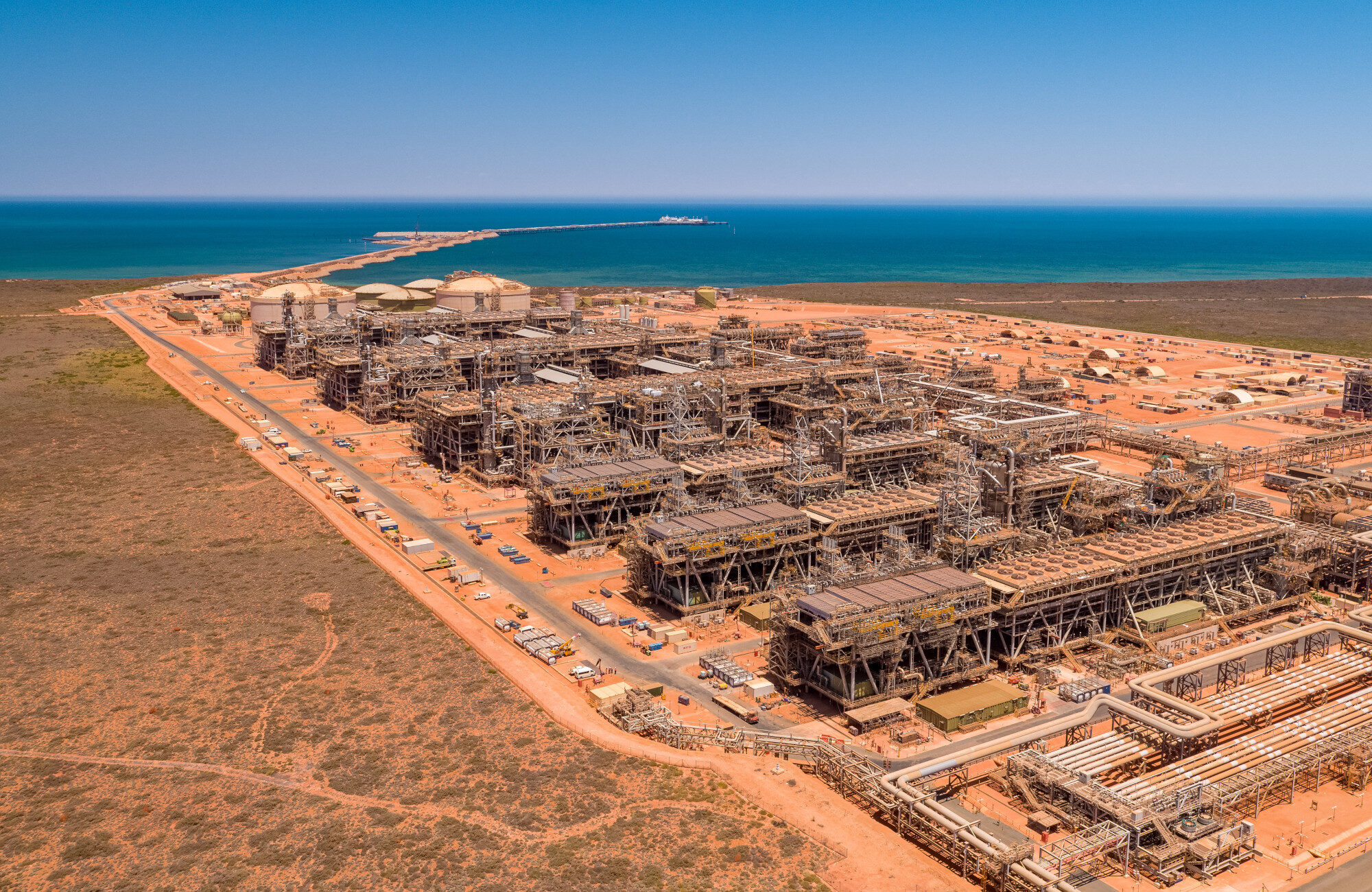
Camille Corcoran breaks down the implications of Australia's landmark ban on carbon capture and storage projects in the Great Artesian Basin.
The UK’s largest power station began importing wood from Canadian pellet plants 12 years ago. The mills, bought by Drax Group in 2021 & 2022, have breached environmental regulations 189 times.
Adaptation is not only about finance and technology - it is about visualising change. Bertie Harrison-Broninski reads John Vaillant's 'Fire Weather' and Stephen Robert Miller's 'Over the Seawall'.
Guinean bauxite is the source of aluminium in everything from our office buildings to our cars - but the bauxite supply chain is a black box of human rights issues.
Dr Camila Vergara sifts through the politics of lithium extraction in Chile.
Land and Climate Review breaks down the basics on the big battery law.
Bertie Harrison-Broninski explores sustainable fashion in a review of Lucianne Tonti's book, 'Sundressed: Natural Fibres and the Future of Fashion'.
Siddharth Kara's deep dive into Congolese mining is diligently researched, but suffers from old-fashioned and clichéd writing, says Lauren Sneade
Lauren Sneade reviews Uhuru Portia Phalafala's epic poem about South African gold mining.
Simon Mundy's voyage round 26 countries in 'Race for Tomorrow' brings the climate debate back down to earth.
Reading 'Fen, Bog, Swamp: a short history of peatland destruction and its role in the climate crisis' by Annie Proulx.
In a review of Matt Simon's book 'A Poison Like No Other: How Microplastics Corrupted Our Planet and Our Bodies', Bertie Harrison-Broninski asks whether plastic pollution gets enough attention.
Experts expect more than half of the voluntary carbon market to be carbon removals by 2030. The sales are happening already - but the removals are not.
Rosie Nurse explains 2022 policy developments around BECCS, DACCS, carbon farming and enhanced weathering.
Lauren Sneade reads Rosetta Elkin's "Plant Life: The Entangled Politics of Afforestation" and asks a controversial question: is the very concept of afforestation rooted in colonial violence?
As keeping global heating to 1.5°C looks increasingly unlikely, some academics are suggesting we use aerosols or salt to block out the sun. Are they right, or risking everything?
What does the future look like? According to the UK’s Science Museum, and by implication Shell, the oil and gas giant sponsoring this exhibition, it looks like a corporate expo.
We break down the analysis around carbon dioxide removal in Working Group Three’s 6th Assessment Report.
Climate adaptation should not be approached with universal solutions. Designed primarily by and for affluent communities, the solutions considered best practice are often examples of “maladaptation,” causing more problems in the long term than the challenges they are trying to solve.
'A Road Running Southward: Following John Muir's Journey Through an Endangered Land' is a touching elegy for nature lost to consumerism, says Lauren Sneade.
Part utopian fiction, part political philosophy, and part climate policy analysis: Bertie Harrison-Broninski reviews the ambitious new work from Verso books.
As timber becomes more widely-used in the construction industry, our assistant editor compares new timber materials to concrete and steel, asking the question 'is wood good?'
In the last entry in our series of long reads explaining CCS, Bertie Harrison-Broninski investigates the reasons carbon capture projects have such a ropey track record.
Our assistant editor talks to the PhD students on a mission to crack low carbon cement.
In the second article in our CCS series, Bertie Harrison-Broninski explains why CCS has a different status to other saviour tech: its place in climate modelling.
Lauren Sneade takes a look inside Rio's City Hall at the team tackling the climate crisis in a city where development is as crucial as climate action.
In the first in a new series of long reads explaining CCS, Bertie Harrison-Broninski digs into how the tech works, whether we're on track with deployment, and what we can learn from CCS's track record.
Polluted with waste and chemicals, and threatened by sprawling urbanisation, our rivers are dying. Some countries are giving them legal personhood for protection - will it work?
The Design Museum in London's 'Waste Age' exhibition shows that we cannot afford to wait to transition towards a circular economy, says Lauren Sneade.
Roman Vakulchuk of the Norwegian Institute of International Affairs discusses his research into untapped minerals in Central Asia that could be used for the global clean energy transition.
There are a lot of issues with the net zero framework - Holly Jean Buck's new book could go further in imagining alternatives, says Bertie Harrison-Broninski.
Reading 'Science Fictions' by Stuart Richie, our Assistant Editor Lauren Sneade delves into what happens when academia and the media promote problematic research.
Our assistant editor reviews Mark Bould’s new book, 'The Anthropocene Unconscious', and questions whether we will be able to solve the climate crisis in time, and with time.
Launching our new culture section, our Assistant Editor reviews the new book on peatlands from Island Press.
Our Assistant Editor sets out the diplomatic backdrop to COP26: will international relations be the big stumbling block for global climate policy?
Elizabeth Lewis (Newcastle University), Edouard Davin and Ronny Meir (both of the Swiss Federal Institute of Technology Zurich) discuss new research on reforestation.
Jihen Chandoul argues that post-independence clarity on the link between food self-sufficiency and sovereignty offers lessons for today.
Professor Ian Rotherham (of Sheffield Hallam University) explains why restoring peat bogs is so important for combating climate change via carbon recovery.
Professor Wyn Grant assesses the historic influence and changes in Europe's CAP including its evolving attitude to climate change.
Most integrated assessment models seeking to develop emissions pathways for the world to stay under a global average temperature rise of 1.5˚C rely on the removal of significant concentrations of greenhouse gases from the atmosphere by 2050.
The EU's new Biodiversity Strategy contains a vision of ecologically sustainable farming. This provides a window for biocontrol products.

Read new collections on day one

Subscribe for new collections straight to your inbox, with an essay from our editor. We promise not to spam - only four per year!

We believe in sharing information - but not yours.

Our funding comes from nonprofit foundations, not from selling your browsing data to companies. So we don't have a huge list of third parties for you to reject cookies from!

We only use necessary cookies for our website to function, and record aggregate data to keep track of our readership figures. We don’t store or share IP addresses visiting the front-end of our site.

If you sign up to our newsletter, we’ll safely store your contact details to use for that purpose, but otherwise, we only use necessary cookies for our website to function, and record aggregate data to keep track of our readership figures. We don’t store or share IP addresses visiting the front-end of our site.