This article is an edited excerpt from Edson Krenak’s October 2026 interviews with Bertie Harrison-Broninski for The Land and Climate Podcast. Listen to the full episode below.
After Flávio Bolsonaro won the most votes in the first round of Brazil’s presidential election on 4th October, I was anxious and afraid for the country. As the son of former president Jair Bolsonaro, who is under house arrest for crimes that threatened our democracy five years ago, he represents the Brazilian far-right. The Bolsonaros’ politics celebrates the dictatorship years of 1964-1985, denies the crimes the military regime committed during that time, ignores the reality of climate change, and works to undermine Indigenous rights.
The weekend of the second vote, I began receiving messages from Indigenous and Quilombola communities, from Amazonas, to Minas Gerais, to Sao Paulo, who were organising themselves to vote for the first time. People traveled on motorbikes, canoes, or walked the whole night to vote early in the morning. Many villagers live very far away from their voting office. This movement in the villages, together with youth in the streets, was inspiring. On Sunday 25th October, Luiz Inácio Lula da Silva won the runoff.
My work in Indigenous advocacy will be far easier with a more democratic government. At Cultural Survival, we see this victory as bigger than Brazil. It is important for everyone who cares about the environment, climate justice, and democracy. Yet Indigenous and climate advocates lost, as well. Why? Because we had a huge influx of new congressmen and senators, and 60% of both federal houses now lack progressive political views.
Four years after Jair Bolsonaro’s administration ended, we are still rebuilding and recovering from the destruction and weakening of democratic institutions, the Supreme Court, and the agencies responsible for climate and deforestation monitoring. Bolsonaro dismantled and defunded everything. He fired well-known scientists and capable people, replacing technical staff with political staff who understood little about the issues.
In 2019, Bolsonaro appointed a federal police officer with agribusiness ties as leader of the Indigenous Peoples Foundation, the agency that protects and oversees Indigenous rights in the country. Indigenous organisations protested as years-long efforts to demarcate and map Indigenous territories were suspended and cancelled. In a single morning, anthropologists, biologists and the other scientists and technical staff found themselves in a landscape they had never been in before.
That same year, the Brumadinho Dam disaster killed almost 300 people and destroyed entire ecosystems. The companies responsible used political favour to evade legal consequences. People are still living in temporary shelters and dealing with health issues, but the companies continued to receive government funding, and were allowed to regulate themselves.
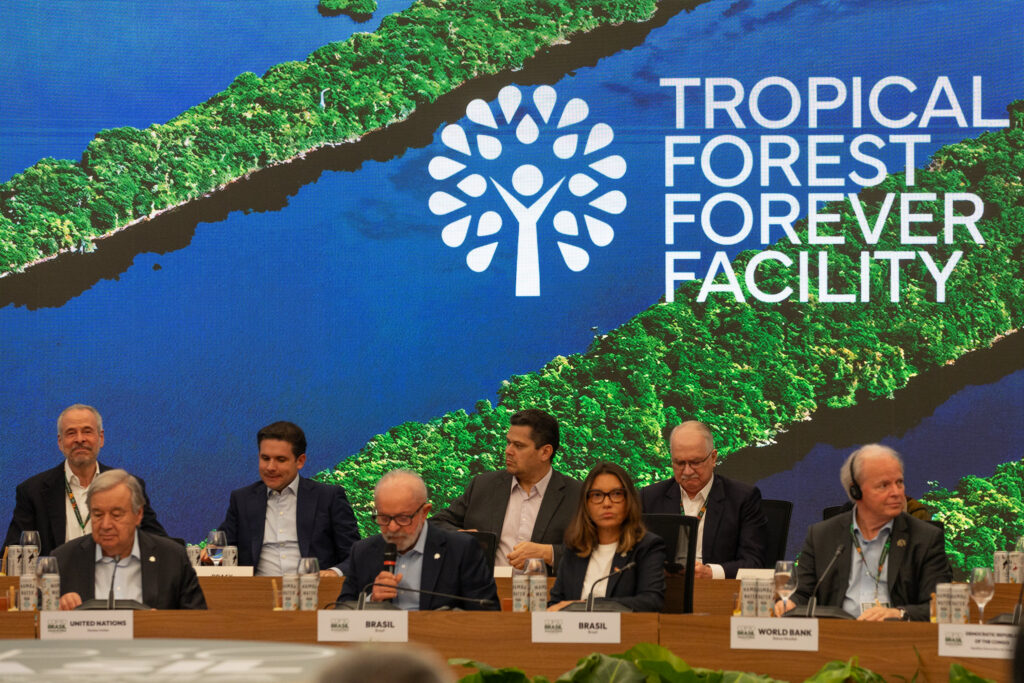
Lula’s legacy since 2023 is imperfect, but positive in comparison to Bolsonaro’s. Lula put Brazil back in the global leadership on climate with COP30, the mutirão policy idea, and the launch of the Tropical Forests Forever Facility, which at least creates a mechanism to get countries, investors and Indigenous communities around the table.
Lula also prepared a democratic platform for Indigenous political participation through the Ministry of Indigenous Peoples. This is a first in our history, and very few countries have anything similar. Through the ministry, Indigenous peoples have been able to show they are interested in politics not only to claim rights, but to legislate, propose laws, change laws, and implement the rights recognised in our constitution since 1988.
The reaction to Lula’s win has not all been positive, particularly from the business sector. People do not understand that we are used to friction, and negotiations were never easy with any government in power in Brazil. With Lula, it is easier. No one believes that all our problems will be solved; more that we can continue fighting without fear of escalating violence, deforestation, and other problems we experienced under Bolsonaro.
We now need Lula to transform the Indigenous participation he provided with the Ministry of Indigenous Peoples into proper authority and power within Brazil’s governance, to ensure it is not relegated to a public relations exercise. This should be reflected in territorial governance, the government budget, enforcement laws, and the long-awaited implementation of recognised constitutional rights.
Indigenous Brazilians have learned a lot about politics in the last four years, after centuries of negative experience with the state. The state has always been violent, colonial, and unjust, but for the first time, we have a relationship with the state that could be fruitful. We are still not pro-state, nor state-societies, but we can say that we are societies with the state. We want to maintain our differences. We want to preserve our cultural characteristics, traditions, knowledge, and our ways of governing our territories. But we do not need to be afraid. There is a space for dialogue, for negotiation, and we want to make it worthwhile.
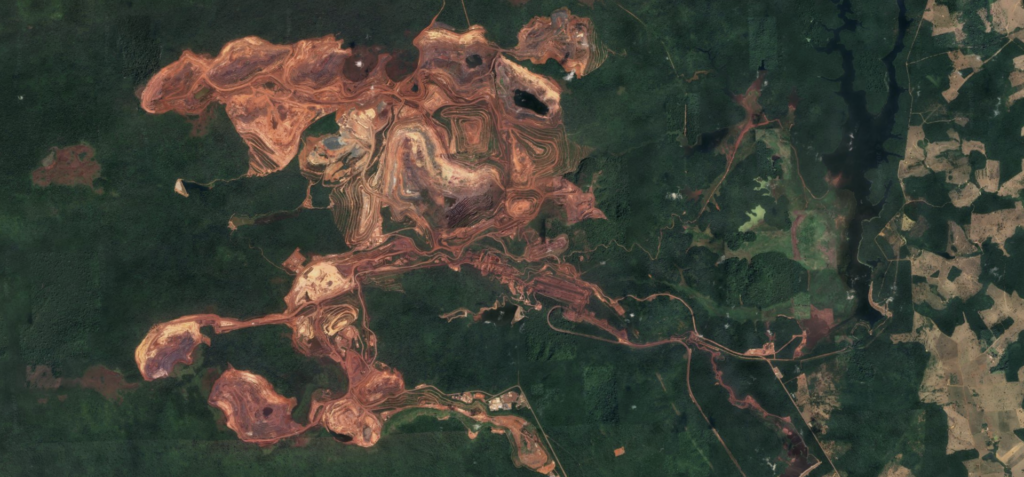
Lula is in debt to Indigenous peoples. He bypassed important government and Indigenous perspectives, decisions and proposals when he allowed drilling for oil in the Amazon Rainforest. Even state agencies said the risk was too high in granting licences, but Lula listened to Petrobras and other investors who said it was safe.
Lula’s new policy on critical minerals has also involved agencies and other actors without giving Indigenous peoples any part in its design. He is right to protect our mineral sovereignty, as Trump and the European Union seek stakes in Brazil’s critical minerals, but we need mechanisms to engage communities more safely. Roughly 80% of critical minerals in Brazil are on Indigenous lands, or otherwise impact Indigenous and Quilombola communities through developments in the supply chain. We have to be part of negotiations.
Weighted as it is towards the far-right and the policies we are trying to fight, the Brazilian congress may now be the worst for Indigenous and climate issues that we have faced during the New Republic. Despite this, there is now a new atmosphere in the country, because left-of-centre civil society, Indigenous peoples, Quilombolas, and traditional communities are more unified. We have one common enemy: anti-democratic government. Everyone is aligned. We are all part of the government – both to design decisions and to implement those decisions on the ground. For a decade or more, we had a divided left, which gave the far right space to grow and gain strength. After this election cycle, we are divided no longer.
As told to Bertie Harrison-Broninski. Listen to the full interview by clicking here.
Edson Krenak Naknanuk (Krenak – Vanuire clan) is an Indigenous activist and writer. He is Cultural Survival’s Lead on Brazil, and a doctoral candidate at the University of Vienna, Austria, where he develops studies in legal anthropology.