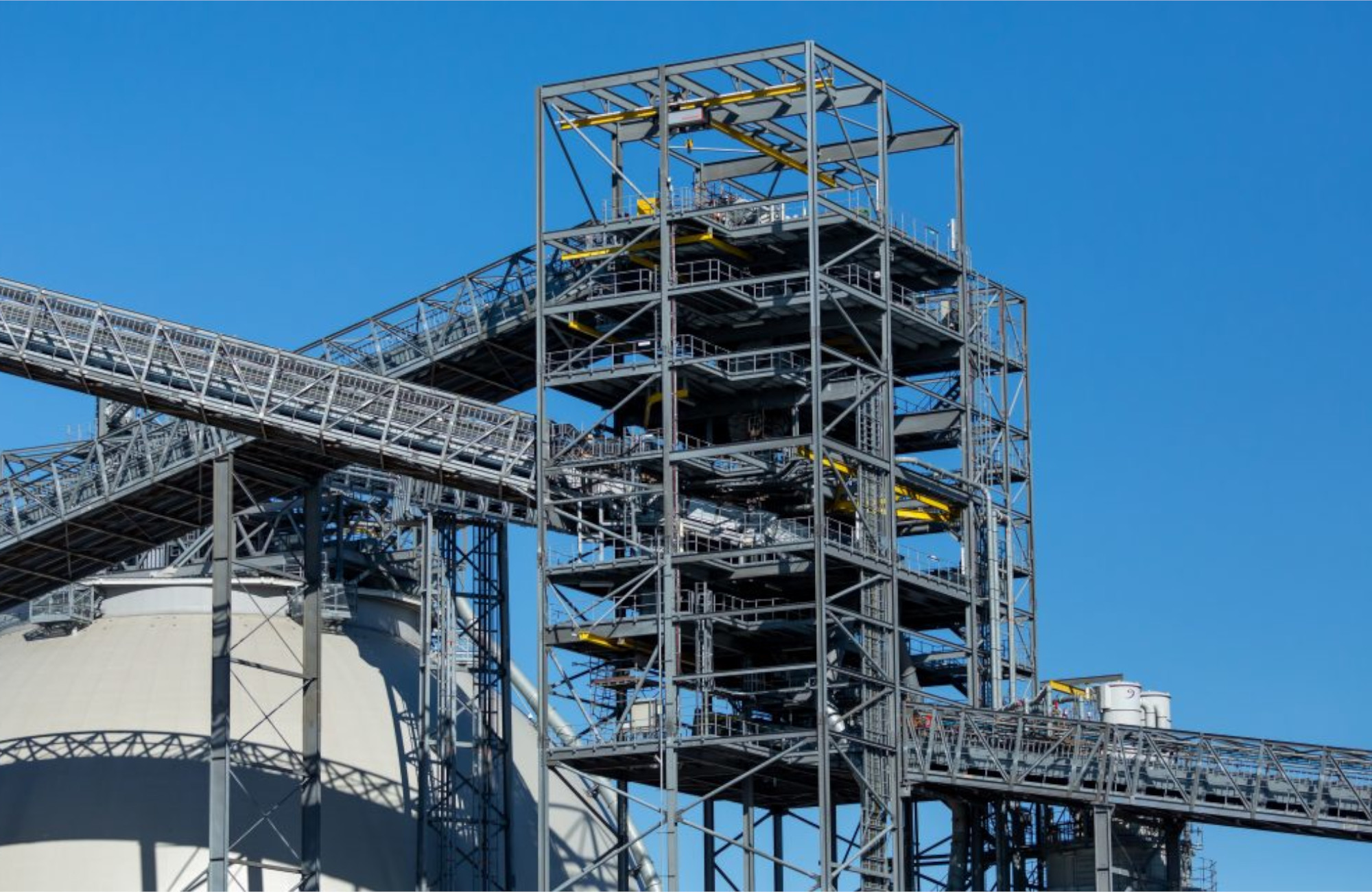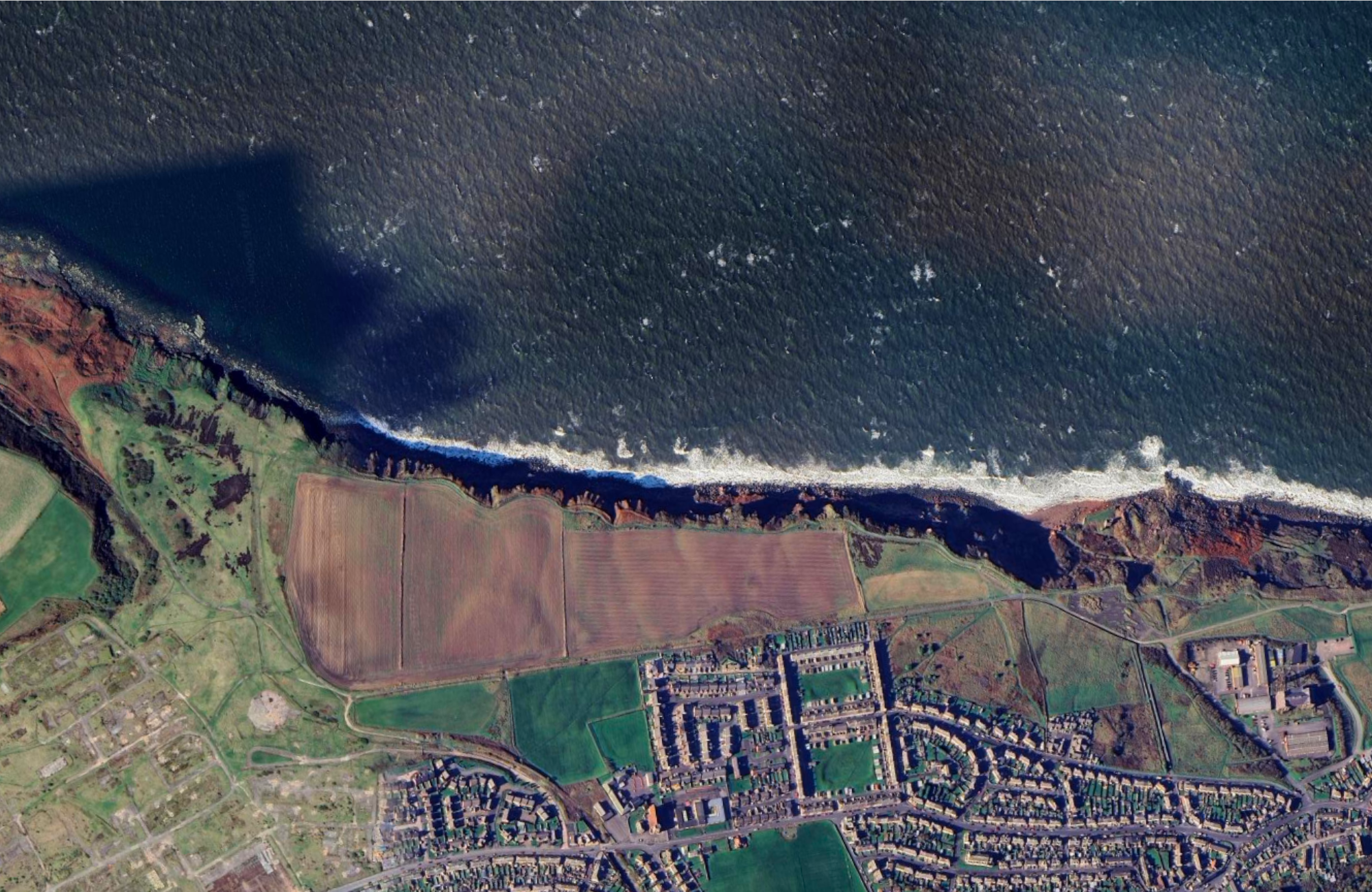
Click here to read the exclusive in The Times.
On 8th August 2025, an arbitration case was filed with the International Centre for the Settlement of Investment Disputes (ICSID) in Washington D.C.
For a World Bank institution where dozens such cases are filed every year, this was nothing out of the ordinary. For the UK, it was a landmark moment in its relationship with international arbitration.
The case was brought by two companies – the UK-based West Cumbria Mining (Holdings) Limited, and its majority shareholder the Singapore-based Woodhouse Investment Pte Ltd – against the UK government, over a proposed coalmine on the Cumbrian coast in the northwest of England.
Touted as a net zero coal mine, West Cumbria Mining’s Woodhouse Colliery project had already gained notoriety in UK environmental circles.
In 2022, it was granted planning permission by then communities secretary Michael Gove. Environmental groups including Friends of the Earth challenged the decision, triggering a protracted dispute which culminated in the High Court striking down planning permission in 2024, after it found the mine would not be compatible with the UK’s climate ambitions.
Then, in August last year, the dispute was taken out of the hands of UK public institutions: the company and its investors turned instead to international arbitration, or investor state dispute settlement mechanisms (ISDS).
ISDS is a system enshrined in many bilateral and multilateral treaties that enables foreign investors to sue governments if their investment in that country is threatened. Often described as “corporate courts”, ISDS proceedings are highly secretive and play out entirely behind closed doors.
While UK-based investors have brought a number of ISDS claims against foreign states, the Woodhouse and West Cumbria Mining v UK case marks the first time the UK is on the receiving end of an ICSID claim, and the first time an arbitration claim has been made relating to its climate policy.
“It’s a case that more directly threatens climate measures than most other ISDS cases so far”, said Lukas Schaugg, policy advisor at the International Institute for Sustainable Development.
“You could see a tribunal basically second-guess climate policy, in a way that is almost unprecedented”.
New documents uncovered by Land and Climate Review show that the UK taxpayer could be on the hook for between £150 – 300 million, should the case be successful.
The documents also show that as of 31 December 2024, Woodhouse Colliery considers the ISDS claim to be its primary asset. In other words, the company acknowledges its key source of value is the compensation it might be able to extract from the UK government in the arbitration process – for a mine that would likely never have been built.
A "single purpose company"
In September 2024, the high court quashed planning permission for West Cumbria Mining’s proposed coalmine. It found that, despite the company’s claims that the mine would be “net zero”, the project was fundamentally incompatible with the UK’s climate objectives.
The planning permission saga was not West Cumbria Mining’s only administrative obstacle. In the same month as the high court decision, the Coal Authority – now known as the Mining Remediation Authority – refused the company’s mining licence application over two “fundamental” issues.
The first related to subsidence. The Coal Authority found that West Cumbria Mining had not been transparent about the potential scale of subsidence damage from the mine. The Coal Authority’s own modelling found the risk of subsidence was much greater than the company had claimed.
The second issue was financial. The Coal Authority concluded that “the overall financial prospects for the project are unacceptable” and that West Cumbria Mining’s financial plans “do not demonstrate that the project is financially viable”.
“The way it all panned out is that by the time you get the refusal of the coal licence, the project becomes pretty much impossible”, said Niall Toru, a senior lawyer at Friends of the Earth. “It looks to me that West Cumbria Mining is a single purpose company just about this mine, which is kind of dead now”, Toru said.
The project’s unpromising prospects did not prevent West Cumbria Mining and Woodhouse Investment from bringing an ISDS case against the UK.
In December 2024, just three months after the High Court and Coal Authority decisions, Woodhouse Investment and West Cumbria Mining filed their Notice of Dispute against the UK government, signalling their intention to bring an ISDS case over the Woodhouse Colliery Mine.
UK taxpayers sued for up to £300 million
West Cumbria Mining and Woodhouse Investments’ claim against the UK government is valued at between £150 and 300 million.
The sum far exceeds the £50 million that Woodhouse Investment and West Cumbria Mining Holdings’ ultimate parent company – the Cayman Islands based EMR Capital Resources Fund 1, LP – has invested in the project.
Even before bringing the ISDS claim, and before encountering regulatory roadblocks, West Cumbria Mining appeared to be in financial difficulty. Their 2023 accounts – the most recent available before the ISDS case – say they would require “substantial additional funds” to develop and construct the Woodhouse Colliery mine and that there was “material uncertainty” in the company’s ability to continue as a going concern.
Thanks to the ISDS system, West Cumbria Mining’s apparent financial difficulties need not be a problem. Experts believe that once the licences were refused, arbitration was likely seen as a way to recoup money spent on the project.
“Taking on the international [arbitration claim] is likely an attempt to salvage the money lost on this investment. Without the mining licence, the company appears to have little value”, said Vivek Kotecha, director at investigative accounting firm Trinava Consulting.
“This legal challenge is a last, desperate attempt by investors to make some money out of a project which belonged in the last century” Toru agreed.
Woodhouse Investment has itself admitted as much. Its description of the ISDS case against the UK government as its “primary asset” essentially acknowledges that the company has no financial value beyond what it may be able to extract from the UK government.
“As seen in Woodhouse’s audited accounts, its coal project that the UK declined to authorise is being valued on what owners hope to extract from British taxpayers in arbitration” explained Schaugg.
“This is precisely what these legacy treaties do. In essence, they turn a refused project into a financial instrument pointed straight at the public purse. The lawsuit has become the investment.”
“The ISDS system incentivises you to plough on with a failing business model because you’ve always got this insurance policy that props up the old order”, said Tom Wills, director of the Trade Justice Movement.
“This was a project that never held planning permission or a coal licence, and which faced serious questions about its financial viability. Taxpayers should not be left footing the bill for something that almost certainly would never have been built”, said MP for Glasgow North Martin Rhodes.
Chilling effect
West Cumbria Mining and Woodhouse Investment’s ISDS claims could have significant consequences for UK public policy.
According to the claimants, the case has a 50% chance of success. If the tribunal decides in their favour, it could have serious consequences for the future of UK climate efforts. ISDS cases are said to have a regulatory chill effect on policymakers, discouraging politicians from enacting legislation that could leave them open to future ISDS cases.
In November 2024 the UK government announced a ban on new coal licences. Cases such as this one could put similar policies in jeopardy.
“I think it would send a signal if a large award was made”, said Toru. “It would have a chilling effect on the ability of nation states to take necessary climate measures under the Paris Agreement that the whole world has agreed to.”
Despite this, the UK government continues to advocate for the inclusion of ISDS provisions in the new treaties it negotiates with foreign countries – including in the free trade agreement it recently signed with India.
The implications for the UK’s purse could also be serious. Woodhouse Investment and West Cumbria Mining have estimated the case will cost £24 million to litigate. This could be an additional fee the UK has to pay should it lose.
The UK government has already had to pay $200,000 to “cover the estimated costs of the initial phase of the proceeding through the first session of the Tribunal”. Throughout the process, the UK government will also be liable for the expense of the Assistant to the Tribunal – which on hearing, session or meetings days can be as much as $900 for the day.
“The West Cumbria coal mine Investor-State Dispute Settlement case is an outrage against common sense. Even if the Government wins, and it has strong grounds to do so, defending this claim will cost hundreds of thousands if not millions of pounds and take years to resolve”, said Rhodes.
“That a Singapore-registered coal investor can demand up to 300 million pounds from the UK under a 1975 bilateral treaty—in the middle of a triple energy security, cost of living, and climate crisis—shows exactly why these legacy agreements are no longer fit for purpose”, concurred Lukas Schaugg.
West Cumbria Mining, Woodhouse Investment and EMR Capital were all contacted for comment, but have not responded to Land and Climate Review at the time of publication.
The Department for Business and Trade has said it does not comment on ongoing legal proceedings. The Department for Energy Security and Net Zero did not respond to a request for comment.
Camille Corcoran is an investigative journalist based in France. She has worked on investigations for outlets including Land and Climate Review, The Times, The Observer, BBC, Channel 4, Private Eye and openDemocracy.