Table of Contents
On 28 February 2026, the world’s most consequential energy corridor became a theatre of war. Under Operation Epic Fury, the United States and Israel launched coordinated airstrikes on Iran, killing Supreme Leader Ali Khamenei and triggering a cascade of retaliatory strikes on Gulf infrastructure, US military bases, and international shipping.
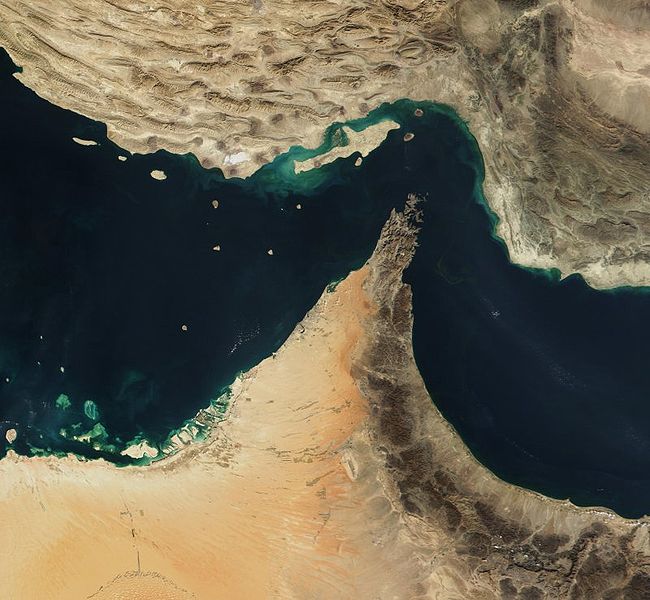
Within days, Iran’s Islamic Revolutionary Guard Corps declared the Strait of Hormuz — a sliver of water only 21 miles wide at its narrowest point — closed to Western shipping. Tanker traffic collapsed by approximately 70%. Then it dropped to near zero.
Approximately 20 million barrels of oil passed through the Strait each day in 2025, as well as more than 112 billion cubic metres of liquefied natural gas (LNG). The annual value of energy flowing through this waterway amounts to approximately US$600 billion.
For decades, energy analysts, geopolitical researchers, and environmental advocates have warned that the concentration of a fifth of the world’s oil and LNG trade through a single, militarised chokepoint represented not merely a theoretical risk but a civilisational vulnerability.
Those warnings went unheeded worldwide, but the US has pursued a pro-fossil fuel and anti-renewable energy agenda with unprecedented aggression during Donald Trump’s second presidency. At the time of writing, the Sabin Center’s Climate Backtracker tool shows over 330 actions taken by the Trump administration to scale back or end climate mitigation and adaptation efforts, including billions of dollars in cut funding for clean energy investment and climate science.
In the second week of March 2026, Brent crude surged past $110 per barrel, European gas prices at the TTF benchmark more than doubled, and the Dow Jones shed 600 points in a single session. The global economy now faces its most acute energy shock since the 1970s oil crises.
The geopolitical arithmetic of who suffers most from a prolonged disruption points in revealing directions. In 2024, the US Energy Information Administration estimated that 84% of crude oil and condensate flowing through the Strait was destined for Asian markets. China, India, Japan, and South Korea together accounted for 69% of all Hormuz crude flows. The United States, now the world’s largest oil producer, has an exit route that Europe and Asia, structurally dependent on global fossil fuel markets, do not.
Reckoning with gas dependency
On the morning of 2 March 2026, following confirmation that the Strait was effectively closed, European gas prices spiked by approximately 20% in a single trading session. Oil prices surged by approximately 8%. These are consequential numbers: every percentage point feeds directly into manufacturing costs, household bills and food prices, and inflationary pressure.
Europe’s most acute vulnerability is LNG. Almost all of Qatar’s LNG exports transit this strait; so do 96% of the United Arab Emirates’. A sustained disruption severs Europe’s access to a critical alternative to Russian gas while the continent remains fragile from the last global energy crisis in 2022.
The problem is compounded by the fact that Europe entered 2026 with significantly lower gas storage levels than in recent years: 46 billion cubic metres at the end of February 2026, compared to 60 billion cubic metres in 2025 and 77 billion cubic metres in 2024. If the disruption extends to summer refilling operations, the implications for European energy costs through 2026–27 are severe.
The European Union depends on imports for approximately 60% of its energy needs, including more than 90% of its oil and gas consumption. Europe is far less directly exposed to Gulf oil and LNG than China, India, Japan or South Korea, but oil and LNG are global commodities. Any sustained blockage of the Strait triggers immediate price increases that hit Europe, as buyers compete for replacement cargoes on global spot markets.
The crisis also exposes deeper structural issues. The EU relies heavily on imports from states that are not necessarily geopolitical allies, and increasingly on the Trump administration, which has already sought to use US energy dominance as leverage against EU climate policies.
The lesson of 2022, when Putin weaponised gas exports against Europe, was not fully absorbed. The Hormuz crisis of 2026 repeats it with different actors and different geography, but identical structural logic: as long as Europe imports large volumes of fossil fuels, its energy security and living costs are perpetually at the mercy of foreign crises and petrostate politics.
Global South countries will bear even greater and more enduring costs from this crisis. For example; Qatar and the United Arab Emirates account for 99% of Pakistan’s LNG imports, 72% of Bangladesh’s, and 53% of India’s. With limited storage infrastructure and severely constrained procurement flexibility, Pakistan and Bangladesh face the prospect of rapid, unplanned shocks, rather than the more orderly market adjustment available to wealthier economies. Bangladesh is already running a gas deficit of more than 1.3 billion cubic feet per day; disruption to Gulf LNG supply does not merely raise costs – it extinguishes lights, shuts hospitals, and halts food processing.
Beyond LNG, approximately one-third of global seaborne fertiliser trade, around 16 million tonnes, passes through the Strait of Hormuz. Rising fertiliser costs translate directly and rapidly into higher food prices, lower agricultural yields, and increased hunger.
United Nations Trade and Development (UNCTAD) has warned that developing economies may be particularly exposed, given their high debt burdens, rising borrowing costs, and limited fiscal space to absorb price shocks. As UNCTAD’s analysis notes, past crises – including COVID-19 and the war in Ukraine – demonstrated how disruptions to energy, transport and agricultural inputs rapidly spread across interconnected markets, with the most catastrophic consequences falling on those who were already most precarious.
The communities and nations least responsible for the carbon emissions that are destabilising the climate, and for the geopolitics that destabilised the Strait, are those who will pay the most severe price. The Hormuz crisis is environmental injustice operating at a civilisational scale.
The climate costs of war
Another dimension of the current crisis has not received sufficient attention in mainstream coverage: the climate cost of war itself. Warfare is a significant and systematically underreported source of greenhouse gas emissions.
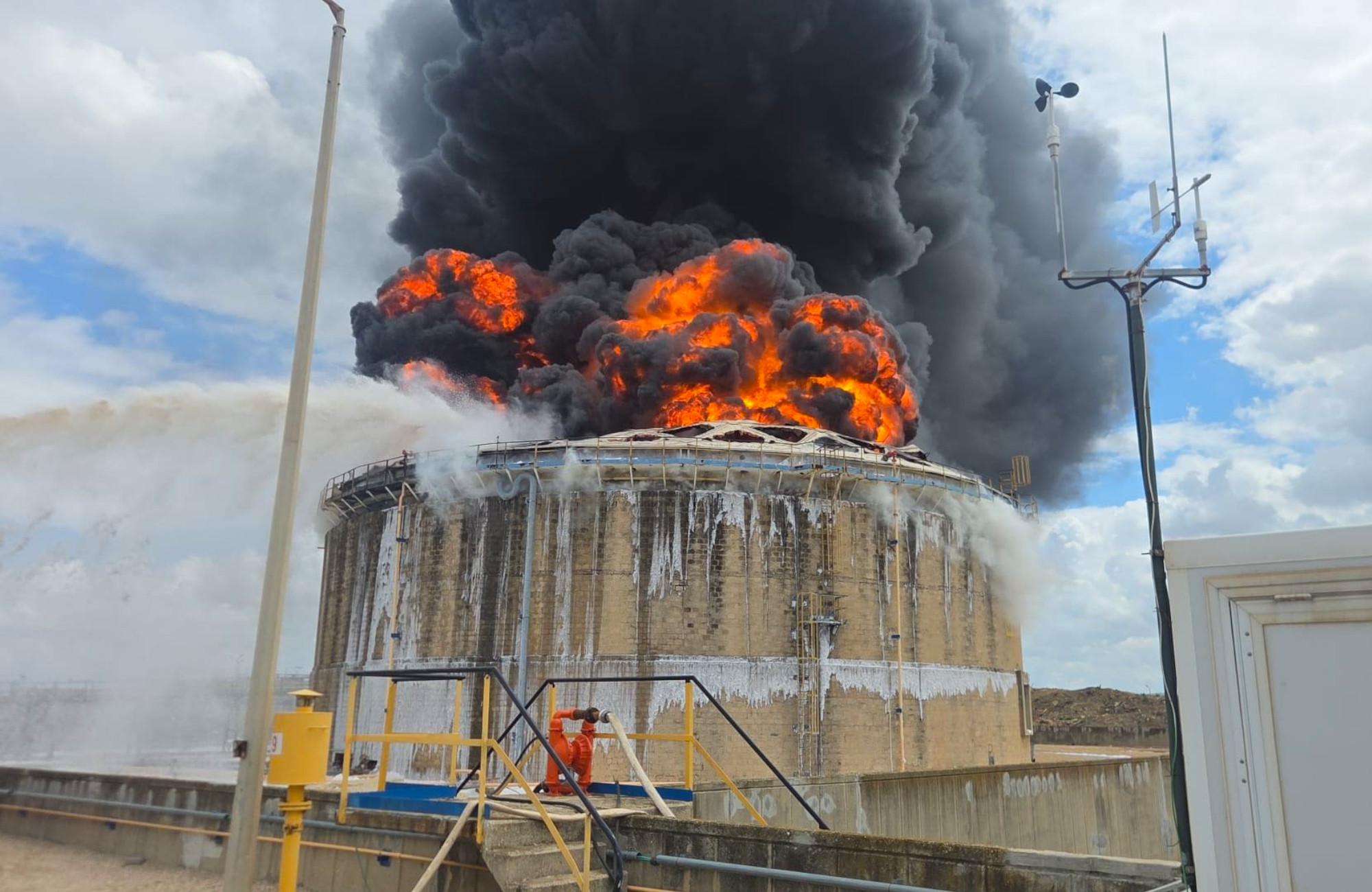
Military operations, infrastructure destruction, refugee displacement, industrial disruption, and the burning of oil infrastructure produce carbon emissions on a scale that the international climate accounting system has historically exempted from national reporting. The fires already burning around the Gulf – at tankers struck off Oman, at port facilities in Bahrain, at oil storage tanks in Duqm – are not merely economic disruptions. They are acute carbon events.
Beyond the immediate emissions of conflict, the deeper climate cost of the Hormuz crisis lies in what it does to global energy markets and investment flows. Every time oil prices spike, there is an economic incentive for fossil fuel producers to expand production. Every time energy security anxiety peaks, governments reach for the familiar, for the long pipelines and existing infrastructure of the fossil fuel system rather than the new investment pathways of renewable energy. The political economy of energy crises has historically tended to reinforce fossil fuel lock-in, rather than accelerate the transition away from it.
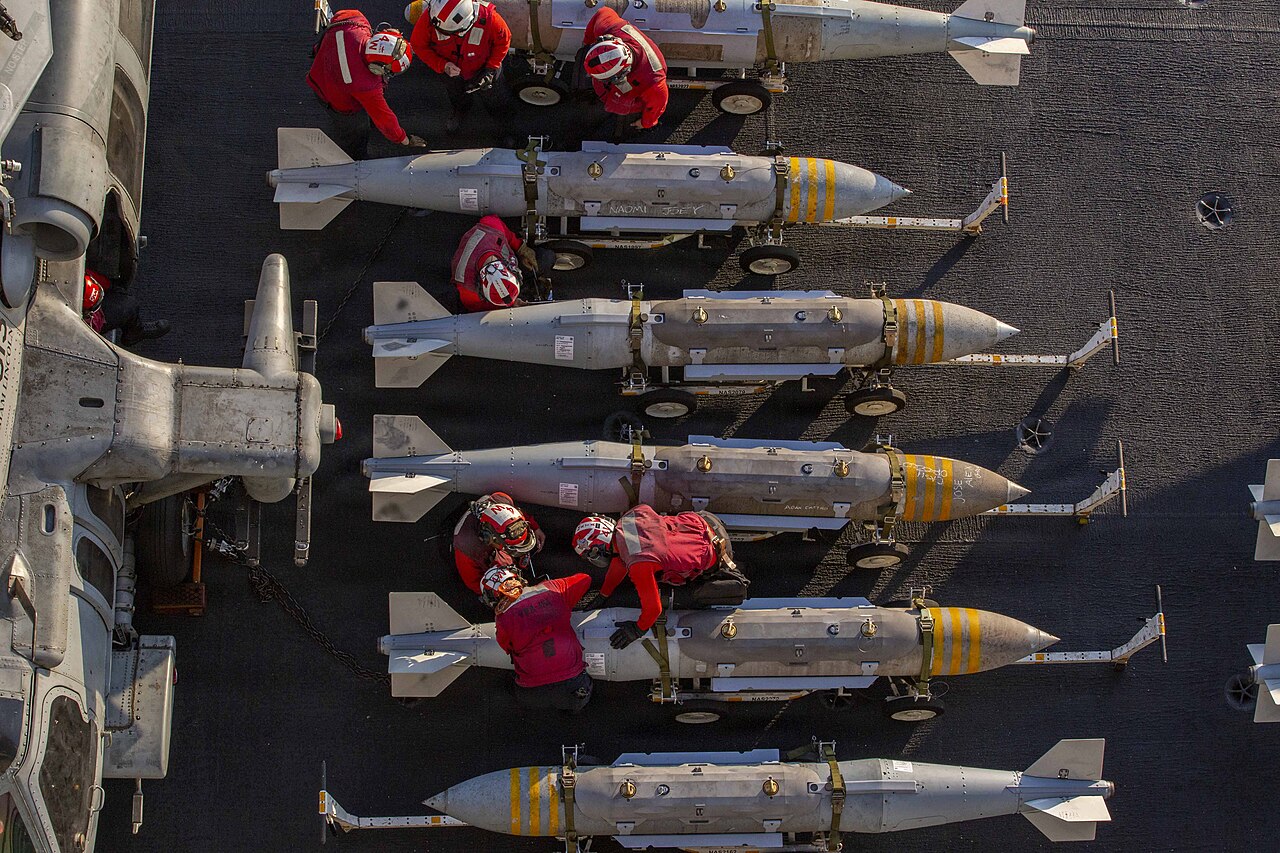
Trump’s administration has made explicit use of this dynamic. After halting investment in clean energy and emissions reduction technologies, cutting funding to climate aid, science and communication, as well as deregulating the energy sector and withdrawing from international climate agreements, the administration has, in a single year, done more damage to the institutional infrastructure of the energy transition than any government in the democratic world. Meanwhile, the decision to strike Iran has now produced the very energy market disruption Trump claimed his policies would prevent.
Atlantic Council analysis suggests that 2026 may see more widespread protest movements across the Middle East and North Africa, fuelled by climate change and authoritarian mismanagement. Resources have become scarcer due to rising temperatures; the globe has become increasingly transactional as it shuns diplomacy in favour of military force. The Middle East and North Africa are profoundly impacted by both negative trends. Trump’s war is a product of global heating and environmental breakdown, even as it accelerates both crises.
Sovereignty, resilience and justice
In the face of these cascading crises – military conflict, energy shocks, global economic disruption, climate acceleration – there are voices, including within European politics, calling for a slowdown of the clean energy transition. Italy’s government has called for a suspension of the EU Emissions Trading System (ETS). Others have argued that the immediate cost pressures of the energy crisis prohibit the capital expenditure that renewable energy deployment requires.
This argument is easily inverted: every megawatt of renewable capacity installed on European or Global South soil is a megawatt permanently removed from the geopolitical vulnerability that the Strait of Hormuz represents. The Bruegel Institute has stated this point with precision: Europe’s exposure to geopolitical shocks remains rooted in its continued reliance on imported fossil fuels.
This principle applies to the US as well. The Trump administration’s own National Security Strategy in 2025 acknowledged that the Middle East has become less strategically important for the United States as energy supplies have diversified and the US has become a net exporter.
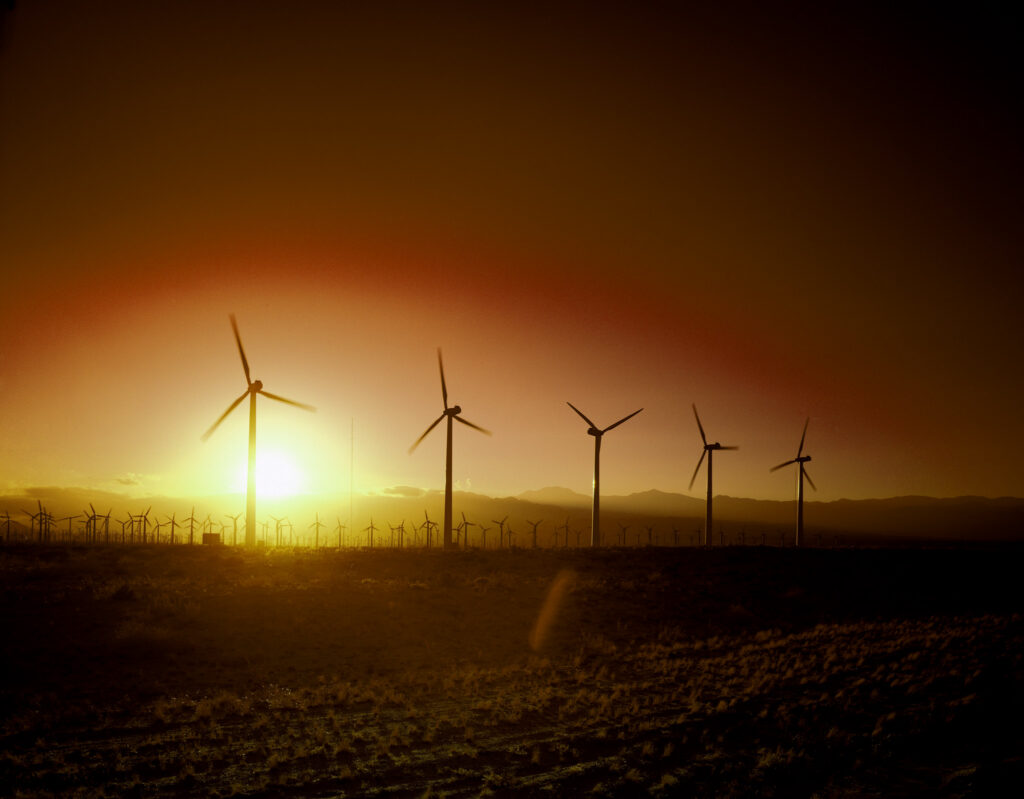
Oil at $110 per barrel represents a massive wealth transfer from energy-importing economies to producers. Gas at €54 per megawatt-hour represents reduced industrial profits, household poverty, and inflationary pressure. War risk insurance premiums of hundreds of thousands of dollars per tanker transit are a hidden surcharge on every product shipped through the global economy.
Renewable energy, by contrast, has near-zero marginal fuel cost. The volatility premium – the additional cost that fossil fuel dependency imposes on economies through price spikes, supply disruptions, and geopolitical risk – is one of the largest hidden costs in the global economy. Renewable energy eliminates it.
Investment in renewable energy is already surging to unprecedented levels in 2026, driven by climate goals, the need for energy independence, and rising electricity demand. Solar power continues to lead global capacity additions, with major new projects under development in India, Saudi Arabia, and Spain. Offshore wind is seeing major investment across Europe and Asia. The global nuclear industry is also rebounding, with approximately 15 new reactors expected to come online in 2026.
At the same time, a tiny number of individuals, corporate entities and governments are getting rich from crashing our global climate, while the rest of the world pays. InfluenceMap’s 2024/2025 Carbon Majors report reveals that just 57 fossil fuel and cement producers are linked to 80% of global industrial CO2 emissions in the decade after the Paris Agreement.
The road ahead
The political response to this crisis is already revealing itself in its early contours. EU leaders, convened by European Council President António Costa, have framed 2026 as “the year of European competitiveness” — linking economic resilience directly to strategic sovereignty.
The European Commission has resisted calls to suspend the ETS, arguing instead that low-carbon energy is the only viable path to removing structural dependency on imported fossil fuels.
What might policy look like if it were to match such rhetoric at a scale and speed commensurate with the current crisis? Permitting timelines for renewable energy projects across Europe could be dramatically shortened, building on the REPowerEU framework with emergency powers where necessary. Grid reinforcement and expansion, storage deployment, and interconnector capacity could be funded at war-footing scale, along with the accelerated rollout of heat pumps, electric vehicles, and industrial electrolysers. In a genuine emergency, these are viable political choices.
Efforts could also be made to decouple electricity prices from gas, and to apply windfall taxes more comprehensively than in 2022. Current market design ties European prices to the cost of the most expensive marginal gas generation, even when renewable electricity is far cheaper.
When geopolitical turmoil drives energy costs sky-high, consumers overpay for electricity, and companies accumulate extraordinary profits. The 2022 crisis established a precedent for levies on these windfalls that can be redirected into clean energy investment; this could now be expanded.
In time, the Hormuz crisis will be resolved through some combination of diplomacy, military escalation, and economic pressure. The tankers will eventually move again. The prices will eventually fall. But the structural vulnerability that produced the crisis – civilisational dependence on a 21-mile waterway – will persist unless political leaders have the courage to lead its elimination.
The time for gradual, politically comfortable transition is over. It demands the full deployment of human ingenuity, political will, and financial capital against the fossil fuel system that brought us to this moment.
Steve Trent is the CEO and Co-Founder of the Environmental Justice Foundation (EJF), and was previously a co-founder of WildAid. EJF operates through a combinination of frontline investigation, documentary filmmaking, and evidence-based policy change.