Click here to read the exclusive in The Times.
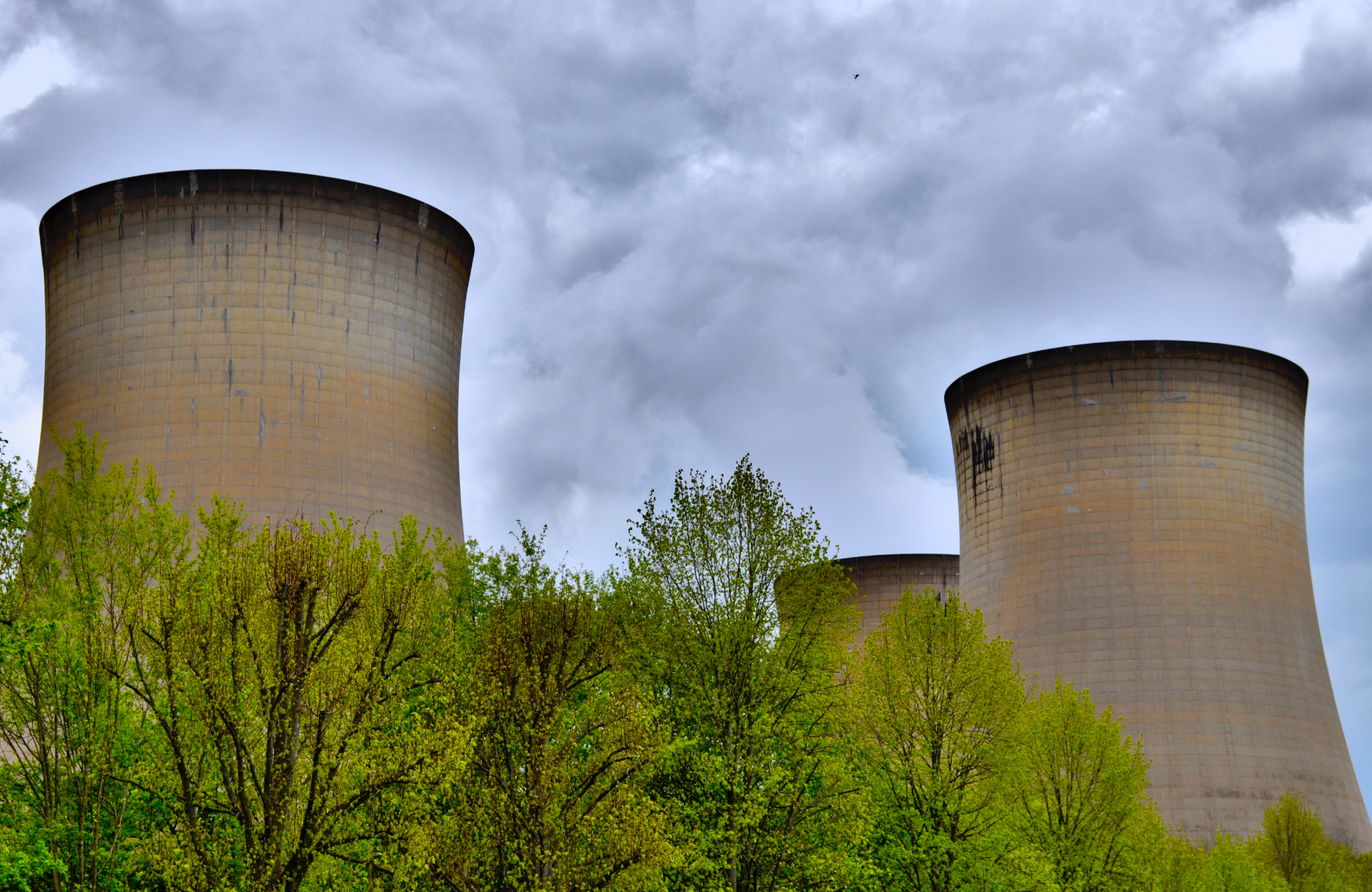
The UK funded the regional government in Xinjiang, China to develop carbon capture technology during the height of its mass internment of Uyghur Muslims, a new investigation has revealed.
The investigation was conducted by Land and Climate Review and first published in The Times. It uncovered data from deleted UK government webpages that show quarterly Foreign Office payments between 2016-2018 “to support the Xinjiang Autonomous Region Development and Reform Commission to systematically assess and identify regional Carbon Capture Utilisation and Storage (CCUS) development opportunities, and build capacity for CCUS development in Xinjiang”.
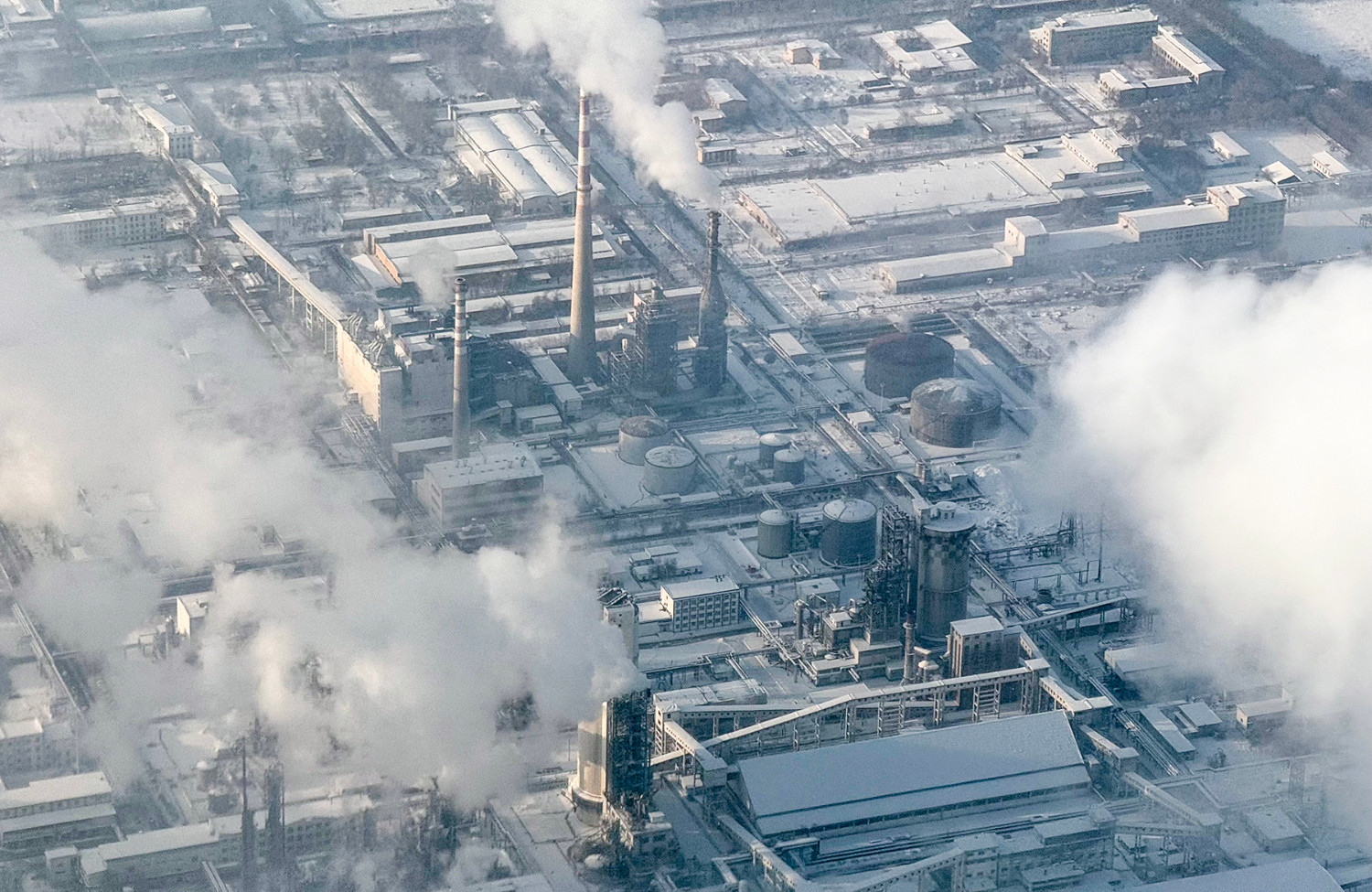
CCUS is a technology designed to reduce pollution from power plants. It uses chemical filters to remove carbon dioxide gas from smokestack emissions. Xinjiang is a major fossil-fuel region for China, containing approximately a third of the country’s onshore oil and gas reserves.
In 2021, the US government described China’s policies of forced labour and internment against the Uyghur ethnic minority in Xinjiang as a genocide, and banned all imports from the region unless it could be proven that they were not mined or manufactured using forced labour. A 2022 UN assessment concluded the mass detention of Uyghurs “may constitute international crimes, in particular crimes against humanity.”
Laura Murphy, whose research into Uyghur abuses led to a Chinese intimidation campaign now being investigated by counter-terrorism police in the UK, said that the internment of Uyghurs “really ramped up” in 2016. “For the years between at least 2016 and 2020, there was a system of mass internment and arbitrary detention that affected upwards of a million people in the Uyghur region.”
The academic at Sheffield Hallam University said the UK government “absolutely should have known” about this before the aid scheme ended in March 2018.
Labour transfer schemes – where Uyghurs from rural villages in Xinjiang were forcibly relocated to work across China – were headed by Xinjiang’s Development and Reform Commission as it was receiving UK funding to develop its energy sector. China denies such practices occur.
Zumretay Arkin, Vice President of the World Uyghur Congress, described the investigation findings as “deeply alarming”. She said “the Xinjiang Development and Reform Commission played a central role in the policies that enabled the mass transfer of Uyghur labour. Any cooperation with regional authorities should have been subject to the highest level of scrutiny.”
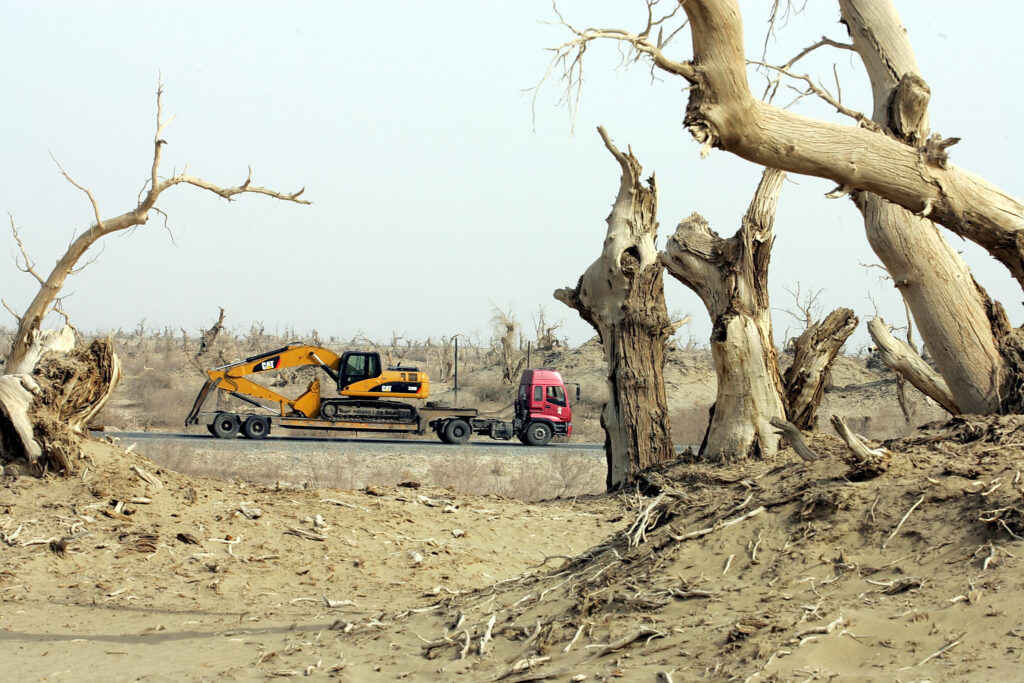
The UK also funded an event in Beijing in 2016 about using “UK best practice” to address “violent extremism undermining growth and stability in China’s Xinjiang Region,” as well as numerous grants for CCUS pilot projects and policy formation in other parts of China throughout the 2010s and early 2020s.
Climate finance for dirty oil
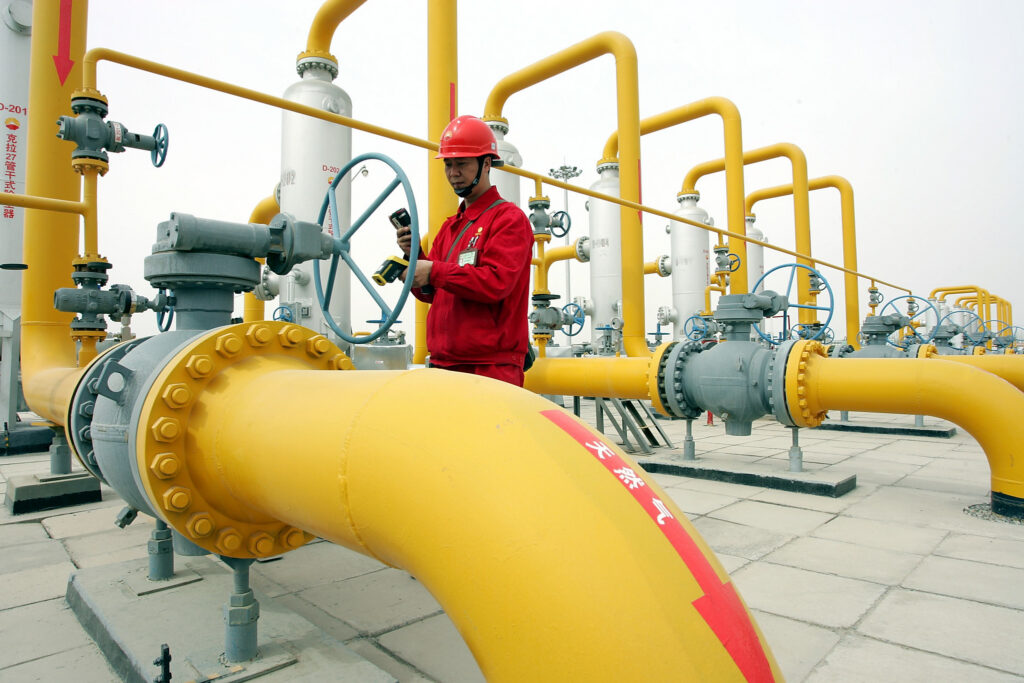
China has developed several CCUS projects in Xinjiang since 2018, but instead of being used to decrease atmospheric pollution, the captured carbon dioxide is injected into oil wells to increase oil recovery.
Projects include a methanol plant in Karamay and a coal power station near Kuytun, both of which are state-owned and located near clusters of detention facilities that have reportedly interned Uyghurs. In a recent press release, an oilfield manager in Xinjiang praised how CCUS is “significantly boosting crude oil recovery rates” as well as China’s “national energy security”.
In 2021 the US Government included oil on its list of industries that have been identified as using forced labour in Xinjiang. Kendyl Salcito, an expert in corporate due diligence and Xinjiang supply chains, said she discussed this with US officials during President Biden’s administration. She said she had understood that U.S. Customs and Border Protection was going to investigate Xinjiang’s oil sector, but that has not happened under President Trump.

The UK justifies funding CCUS abroad due to climate benefits, but there were already plans to use CCUS in Xinjiang to increase oil extraction at the time of the aid grants. In 2016, Shell signed a deal with China’s state-owned oil and gas major CNPC to develop enhanced oil recovery in Xinjiang. Contacted for comment, Shell said the collaboration did not proceed further than “preliminary work.”
In January 2026, CNPC published a report into allegations it “was involved in forced labour practices related to the employment of ethnic minorities through coercive state-sponsored labour-transfer programmes”. It states that an independent investigation by UK and Chinese law firms did not find any evidence to support such claims.
A Shell UK spokesperson said that “Respect for human rights is fundamental to Shell’s core values. Shell is committed to respecting human rights in line with the UN Universal Declaration of Human Rights and the International Labour Organization’s Declaration on Fundamental Principles and Rights at Work. Our approach is informed by the UN Guiding Principles on Business and Human Rights.”
The Executive Director of Stop Uyghur Genocide, Rahima Mahmut, said she herself formerly worked in China’s petrochemical industry as an engineer. “I’ve experienced and witnessed first-hand the discrimination Uyghurs faced within the sector. Since 2016, the situation has escalated into a system of mass detention, forced labour and severe repression.
“To learn that UK government funds were provided to a regional authority linked to labour transfer programmes during this period raises serious ethical questions and appears to run counter to the UK’s stated commitment to human rights.”
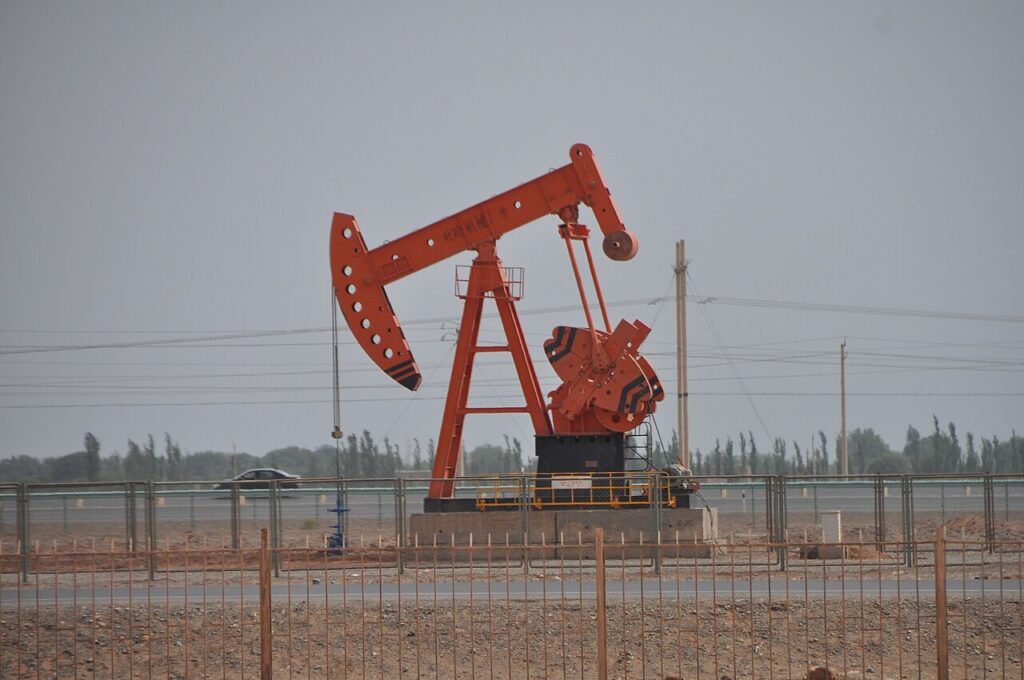
Xinjiang is not the only region of China to have received UK aid for CCUS while developing enhanced oil recovery. While other regions of China have not faced the same allegations about forced labour, most experts agree that there are few climate benefits in using CCUS for enhanced oil recovery.
In 2013, the UK, the World Bank and the Asian Development Bank launched a joint aid programme to develop the necessary policy, expertise and pilot projects for wider rollout of CCUS in China, South Africa and Indonesia. The programme received £70 million in UK funding. One of the pilot projects was in Shanxi province, in collaboration with the state-owned oil company Yanchang Petroleum Group.
At the time, according to UK government documents, “key Government decision makers in China’s National Energy Administration and National Development and Reform Commission [were] yet to be convinced that CCS is an appropriate technology for deployment in China because of the high operational energy penalty and the capital/operational cost implications.”
UK civil servants noted that Chinese officials were supportive of foreign assistance for CCUS demonstrations, “but their justification for doing so is based upon the potential value associated with CO2 utilisation activities, specifically the potential to increase oil yields and so reduce China’s import dependency rather than CO2 sequestration.”
The business case for the aid programme stated that “one of the primary objectives of any intervention in China will be to shift the focus beyond utilisation and to encourage the development of policy incentives capable of supporting CCS and deliver larger scale climate benefits.”
By the late 2010s, the programme was facing “continued delays in moving pilot projects from the planning phase”, according to monitoring documents. Plans to broaden its scope to include more donor and recipient countries had fallen through due to “the high economic costs of developing and deploying CCUS”.
The UK’s own flagship ‘White Rose’ CCUS project at Drax Power Station in North Yorkshire had also been cancelled on similar grounds in 2015, and in 2017 the UK changed its objectives in to promote enhanced oil recovery in China and Indonesia as examples of “innovation to contribute to reducing the costs of CCUS”. By this time, Yanchang Petroleum had already begun to use its CCUS project in Shanxi for enhanced oil recovery.
After the programme concluded at the end of 2022, a UK government review stated there was a “major” risk that technical issues and a lack of “sustained political will” in developing countries prevented the original aims of the project from being met. Despite the programme demonstrating that CCUS was not economically viable until the UK conceded its “primary objective” to oppose enhanced oil recovery, the review only noted a “minor” risk that “the international CCUS programme is perceived to be misaligned with the UK’s international fossil fuel phaseout policy”.
In January 2026, another enhanced oil recovery project was announced at Yanchang oilfield, with construction set to complete in October. Last week, CNPC also announced that construction was underway on a new coal power plant with CCUS in Northern Xinjiang.
Opaque aid
In correspondence with Land and Climate Review, the UK Foreign Office confirmed it holds documents relating to its work on CCUS in Xinjiang, but did not agree to release them, saying that staff would be required to “manually” check records, and that this would not be an appropriate use of time. In response to questions about the grant scheme, a spokersperson said “it is not appropriate for officials to comment on funding decisions made under previous administrations.”
Lord Alton, who chairs Parliament’s Joint Committee on Human Rights, said “the secrecy and lack of transparency which has surrounded so much of this is completely unacceptable.”
The crossbench peer said the aid payments to Xinjiang in 2016-2018 were “deeply concerning” and “undermine the UK’s international human rights commitments.”
His comments were echoed by Labour MP Alex Sobel, who called on the government to provide “full transparency” about the grants, and by Zumretay Arkin at the World Uyghur Congress, who said “the refusal to release documents undermines public trust.”
“Full transparency and accountability are urgently needed,” Arkin added. “The British public deserves to know if their money funded genocide.”
The UK’s Independent Commission for Aid Impact (ICAI) has criticised a lack of transparency in both the UK’s aid to China and in its international climate finance contributions. In 2023, ICAI published report that highlighted “problems with transparency about UK aid to China”. In 2024, it published an update noting that “transparency has reduced further this year”.
A November 2025 ICAI report about the UK’s climate aid identified “persistent challenges in accountability” and “an inability to track key performance indicators reporting to individual programmes”. The government accepted the findings, responding that “we acknowledge that there is scope for improvement in the consistent use of evidence and data.” ICAI intends to follow up on progress in May 2026.
The UK’s support for CCUS in China has now continued for over two decades. This is despite repeated governmental reviews between 2014 and 2024 finding that international CCUS programmes were failing to meet delivery indicators or were lacking proper evaluation, and despite the collapse of UK-supported CCUS aid programmes in other countries, such as in Mexico.
While the UK’s direct bilateral aid to China and for CCUS has decreased since 2018, it continues to fund both indirectly through the World Bank’s Energy Sector Management Assistance Program, which received over £39 million from the UK in the financial year to 2025. The wider funding programme that included the grants for CCUS in Xinjiang – the UK China Prosperity Fund energy transition programme – continued under World Bank governance in 2025.
A consultant who recently worked for the World Bank, and who spoke on condition of anonymity, said CCUS “definitely is not a topic that is particularly visible on either the World Bank or IFC websites”. They attributed this to “optics that it’s expensive and that it is continued support of fossil fuels”, which they characterised as “not very good understanding”.
Mark Z. Jacobson, who leads Stanford University’s energy programme, said that “study after study shows that CCUS only increases CO2, air pollution, fossil mining, fossil infrastructure, energy costs, health costs, climate damage, and total social costs. As such, why would anyone use climate aid for CCUS instead of actually helping poor and vulnerable nations by investing in clean, renewable electrification?”
Kendyl Salcito said irrespective of concerns about funding human rights abuses or oil extraction, “China doesn’t need aid for climate mitigation solutions.
“There is no economic or development case for giving any of this money to China. China has the world’s second largest economy and a $290 billion renewable energy budget. It not only doesn’t need charity for green transition funding, it actively doles it out. Through the Asian Infrastructure Investment Bank, it has spent billions of dollars financing climate programmes in actual developing countries.”
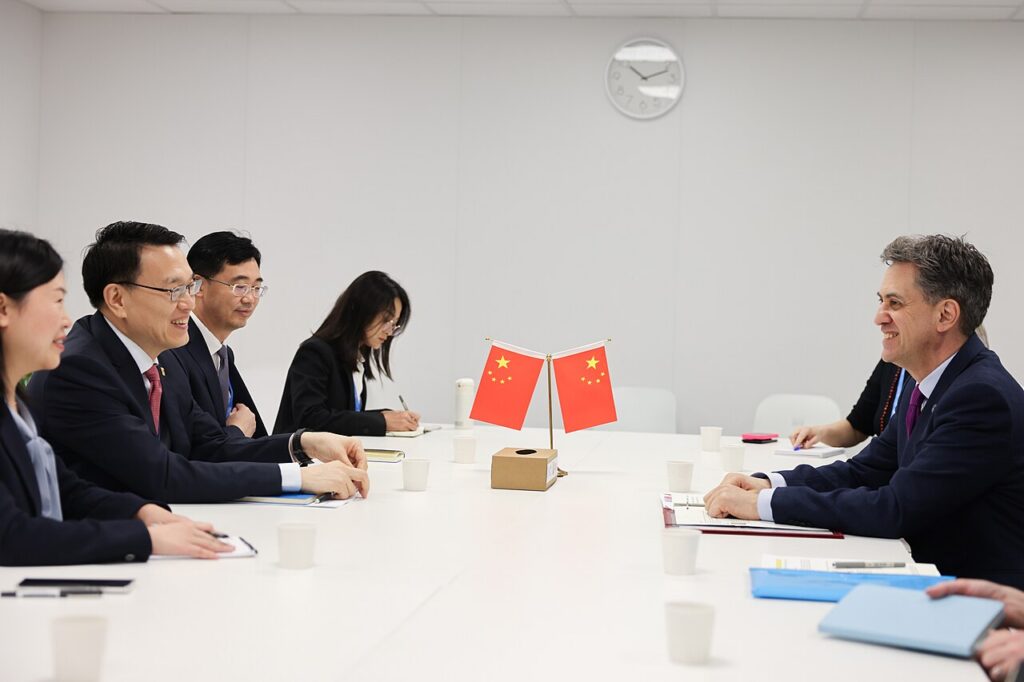
During his trip to China in March 2025, UK Energy Secretary Ed Miliband visited CCUS projects in Beijing, attended meetings with BP, and negotiated an agreement with China’s National Energy Administration that was published last month. It lists CCUS as one of five “areas of cooperation” on policy, strategy and investment.
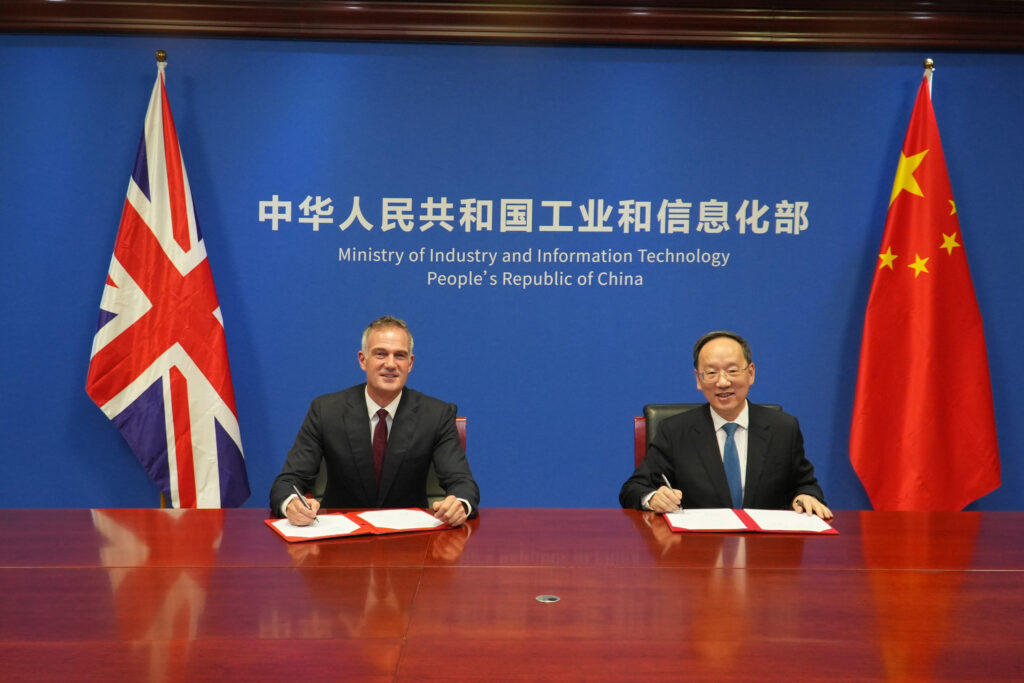
Business Secretary Peter Kyle separately visited China to discuss CCUS in September 2025, which led to the announcement of a new CCUS Standards Working Group to “cooperate on technical standards that facilitate trade”.
The Chinese state is also a stakeholder in the UK’s domestic CCUS plans. It is a co-owner of Petroineos, which has launched and co-funded ‘Project Willow’ with the Scottish and UK governments. The project involves policy proposals to develop carbon capture at the company’s Grangemouth site.
In 2023 BP signed a deal with PetroChina to share expertise from its planned gas-with CCUS power plant in North Yorkshire, Net Zero Teesside Power, for a similar project in Hainan. Last month, Net Zero Teesside Power faced criticism from Unite for contracting Modern Heavy Industries – a Chinese based steel company – over a rival bid from British Steel, in nearby Scunthorpe.
Bertie Harrison-Broninski is an investigative journalist based in the UK, and Senior Editor of Land and Climate Review.